
When it comes to enhancing the durability and safety of flooring applications, steel grating stands out as a versatile and robust solution. This article delves into the various uses, benefits, and considerations of using steel grating for flooring, providing insights for both professionals and DIY enthusiasts. From industrial settings to commercial spaces, steel grating offers a balance of strength, affordability, and functionality that makes it a top choice for many projects.
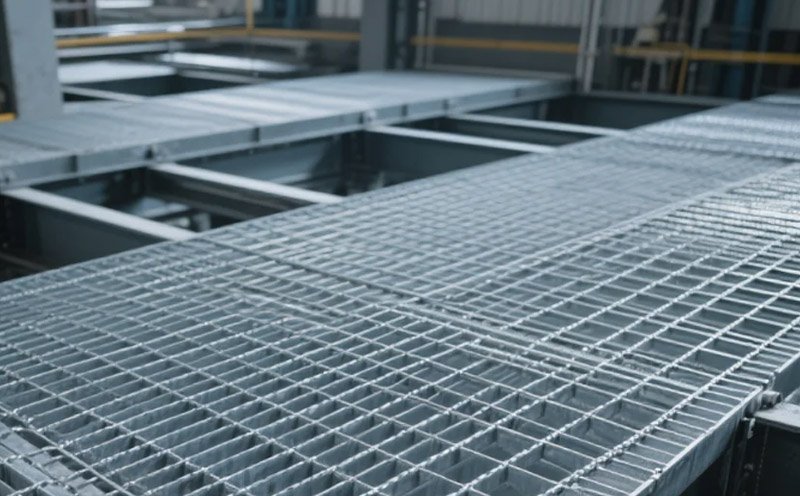
Have you ever wondered what makes steel grating such a popular choice for flooring applications across various industries? The answer lies in its unique combination of strength, durability, and versatility. Whether you’re constructing a bridge, a factory floor, or a parking garage, steel grating can provide a reliable and cost-effective solution. In this guide, we’ll explore everything you need to know about steel grating, its applications, benefits, and how to choose the right type for your project.
What is Steel Grating?
Steel grating is a type of metal framework made from steel bars that are spaced at regular intervals and welded or bolted together to form a grid-like pattern. This construction allows it to be lightweight yet incredibly strong, making it ideal for flooring applications where safety and durability are paramount.
There are several types of steel grating, each with its own set of advantages. The most common types include:
- Plain Steel Grating: This is the most basic type, consisting of parallel bars woven together. It’s cost-effective and suitable for light-duty applications.
- Welded Steel Grating: This type is created by welding the bars together, providing enhanced strength and stability. It’s ideal for heavy-duty applications.
- Fabricated Steel Grating: This type includes additional features like ledgers, cross-arms, and toppings, making it more suitable for specialized applications.
Applications of Steel Grating
Steel grating is used in a wide range of applications, from industrial floors to public infrastructure. Here are some of the most common uses:
Industrial Floors
Factories and warehouses often use steel grating for flooring due to its ability to withstand heavy loads and provide a safe working environment. The open grid design allows for excellent drainage, preventing slip hazards and extending the life of the flooring.
Public Infrastructure
Public infrastructure projects like bridges, walkways, and platforms benefit from the strength and durability of steel grating. It can handle heavy foot traffic and vehicle loads while remaining relatively lightweight, reducing the overall load on the structure.
Commercial Spaces
Shopping malls, airports, and other commercial spaces use steel grating for flooring in areas where safety and aesthetics are both important. The available finishes and designs can match the existing decor while providing a safe and durable surface.
Residential Applications
Even in residential settings, steel grating can be found in garages, balconies, and patios. Its durability and low maintenance requirements make it a practical choice for homeowners.
Benefits of Using Steel Grating
There are numerous benefits to using steel grating for flooring applications. Here are some of the key advantages:
- High Strength and Durability: Steel grating can withstand heavy loads and harsh environmental conditions, making it a long-lasting solution.
- Cost-Effective: Compared to other flooring materials, steel grating is relatively affordable, offering a high return on investment.
- Lightweight: Despite its strength, steel grating is lightweight, making it easier to transport and install.
- Excellent Drainage: The open grid design allows water to drain quickly, preventing slip hazards and mold growth.
- Safety: The non-slip surface and open design provide excellent traction, reducing the risk of falls and accidents.
- Customizable: Steel grating can be customized to fit specific project requirements, including size, bar spacing, and finish.
以上文章内容为AI辅助生成,仅供参考,需辨别文章内容信息真实有效
 Arabic
  English
  German
  French
  Portuguese
  Japanese
  Russian
  Italian
  Spanish
  Korean