
Are you looking for the latest insights on Galvanized Steel Grating Price? This comprehensive guide explores factors influencing costs, market trends, and tips for getting the best deals. Whether you’re a construction professional or a DIY enthusiast, understanding pricing is crucial. Dive in to make informed decisions!
Galvanized steel grating is a popular choice for a wide range of applications, from industrial flooring to pedestrian walkways. But when it comes to purchasing, one of the most critical factors is the price. Understanding what influences Galvanized Steel Grating Price can help you make smarter, more cost-effective decisions. In this guide, we’ll delve into the various factors affecting costs, current market trends, and tips for securing the best deals.
What is Galvanized Steel Grating?
Galvanized steel grating is a type of metal grid made from steel bars that are woven or stamped together. The “galvanized” part refers to the protective coating of zinc that prevents rust and corrosion, making it ideal for outdoor and industrial environments. This durability and affordability make it a go-to material for many construction and engineering projects.
Factors Influencing Galvanized Steel Grating Price
Several factors can affect the price of galvanized steel grating. Being aware of these can help you budget more effectively and negotiate better deals.
1. Material Quality
The quality of the steel used is a primary determinant of the price. Higher-grade steel, such as carbon steel or stainless steel, will generally cost more than standard steel. Additionally, the thickness of the bars and the spacing between them can impact the overall cost. Thicker bars and closer spacing provide more strength and durability but come at a higher price point.
2. galvanization Process
The galvanization process itself can vary, leading to different costs. Hot-dip galvanizing, where the steel is dipped into molten zinc, offers a more robust coating compared to cold galvanizing. The thickness of the zinc coating also plays a role; a thicker coating provides better protection but is more expensive.
3. Size and Quantity
As with most products, buying in bulk can reduce the per-unit cost. Large projects requiring extensive amounts of grating will naturally have a higher total price, but the cost per square foot may be lower. Conversely, small orders may be more expensive per unit but can be more cost-effective for minor projects.
4. Manufacturer and Brand
Reputable manufacturers and well-known brands often charge more due to their quality assurance, customer service, and brand reputation. However, they may also offer warranties and guarantees that can provide peace of mind and long-term savings.
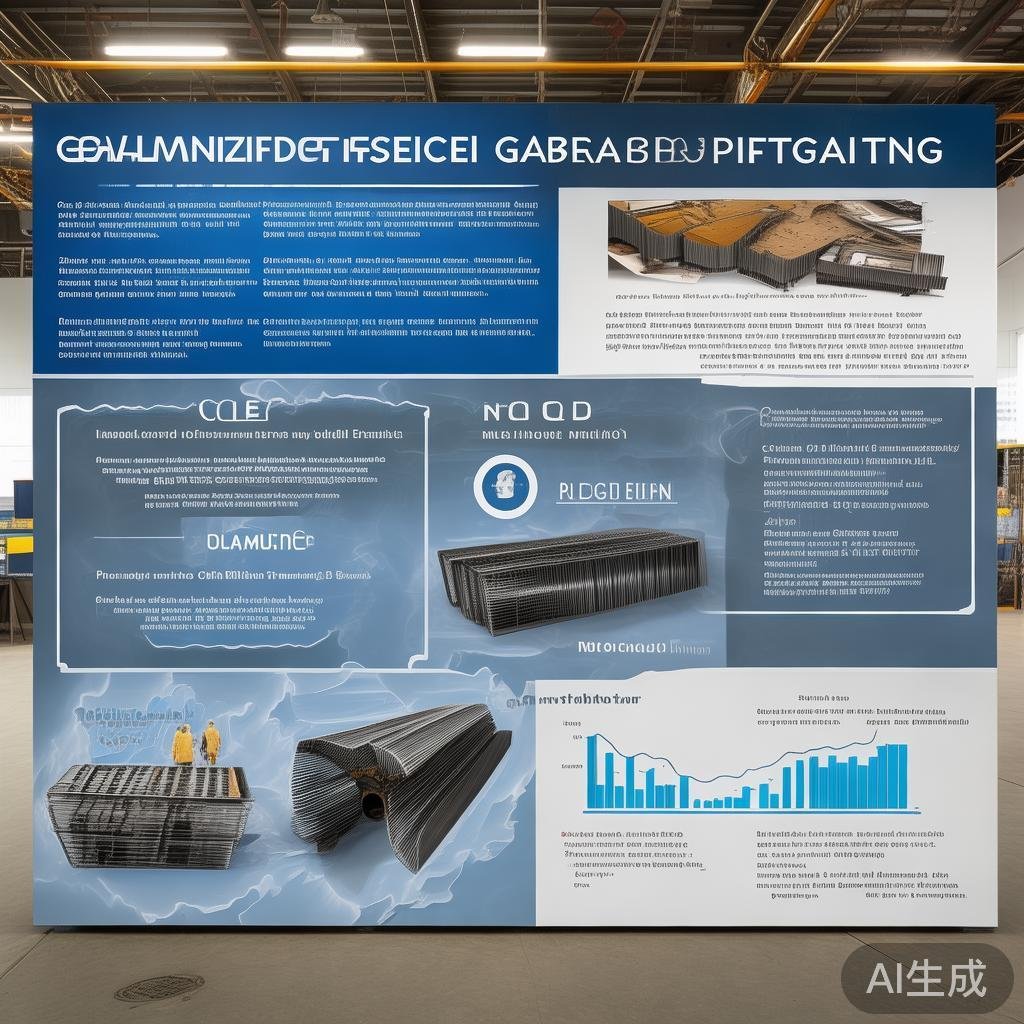
5. Additional Features
Some galvanized steel gratings come with additional features that can increase the price. These include anti-slip surfaces, specific edge treatments, or custom designs. While these features may be necessary for certain applications, they can add to the overall cost.
Market Trends and Price Variations
The price of galvanized steel grating can fluctuate based on market trends and economic conditions. Understanding these trends can help you time your purchases for the best possible prices.
1. Supply and Demand
Just like any other commodity, the price of galvanized steel grating is influenced by supply and demand. High demand during construction seasons or in regions with rapid industrial growth can drive prices up. Conversely, during economic downturns or in areas with less construction activity, prices may be more competitive.
2. Global Market Conditions
The global market for steel and zinc can impact prices. Factors such as mining disruptions, trade policies, and currency fluctuations can all play a role. For example, a shortage of zinc due to mining issues can lead to higher galvanization costs, subsequently increasing the price of galvanized steel grating.
3. Technological Advancements
Advancements in manufacturing technology can sometimes lead to cost reductions. New production methods that improve efficiency or reduce material waste can lower the overall cost of galvanized steel grating. Keeping an eye on industry developments can help you identify potential cost savings.
 Arabic
  English
  German
  French
  Portuguese
  Japanese
  Russian
  Italian
  Spanish
  Korean