
When it comes to flooring solutions for chemical plants, steel grating stands out as a robust and reliable choice. This article delves into the advantages of using steel grating for chemical plant flooring, covering its durability, safety features, and customization options. Whether you’re dealing with corrosive substances or heavy foot traffic, steel grating offers a practical and cost-effective solution. Discover why it’s the go-to material for industrial flooring in demanding environments.
Chemical plants are among the most demanding environments in industrial settings. They deal with a variety of substances, from corrosive chemicals to heavy machinery. Choosing the right flooring material is crucial to ensure safety, durability, and compliance with industry standards. Among the many options available, steel grating has emerged as a top choice for chemical plant flooring. But what makes it so special? Let’s dive in.
Understanding Steel Grating
Steel grating is a type of flooring made from a series of parallel steel bars or rods that are woven or welded together. This creates a grid-like pattern, providing a strong and stable surface. There are several types of steel grating, including welded steel grating, bar-locked steel grating, and roll-formed steel grating. Each type has its unique benefits, but all are suitable for chemical plant environments.
Types of Steel Grating
Welded Steel Grating: This type is created by welding cross bars at each intersection of the grid. It’s known for its strength and durability, making it ideal for heavy-duty applications.
Bar-Locked Steel Grating: This type uses a unique locking mechanism between the bars, providing a more seamless and slip-resistant surface. It’s particularly useful in areas where safety is a top priority.
Roll-Formed Steel Grating: This type is manufactured through a rolling process, resulting in a more uniform and lightweight grating. It’s a cost-effective option for less demanding applications.
Why Choose Steel Grating for Chemical Plant Flooring?
There are numerous reasons why steel grating is the preferred choice for chemical plant flooring. Let’s explore some of the key benefits.
1. Durability and Strength
Chemical plants often expose flooring to harsh conditions, including chemical spills, heavy loads, and constant foot traffic. Steel grating is designed to withstand these challenges. Its robust construction ensures that it can handle heavy machinery and resist corrosion, making it a long-lasting solution.
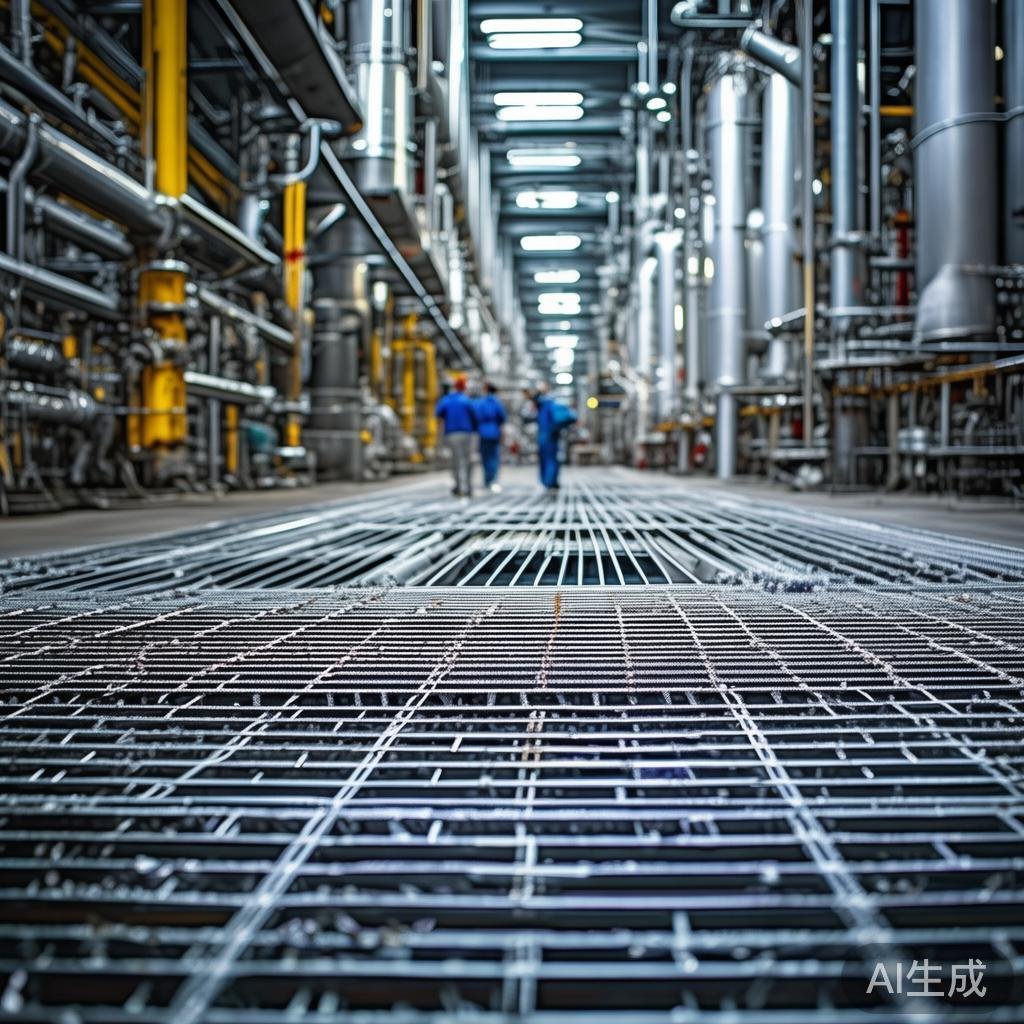
2. Safety Features
Safety is paramount in chemical plants. Steel grating offers several safety features that make it an ideal choice:
- Slip Resistance: Many types of steel grating come with non-slip surfaces, reducing the risk of accidents.
- Open Grid Design: The open design allows for easy drainage, preventing water and chemical accumulation that can lead to slipping.
- Non-Flammability: Steel is non-flammable, which is crucial in environments where flammable substances are handled.
3. Corrosion Resistance
Chemical plants often deal with corrosive substances that can damage traditional flooring materials. Steel grating, especially when coated with materials like aluminum or stainless steel, offers excellent corrosion resistance. This ensures that the flooring remains intact even when exposed to harsh chemicals.
4. Customization Options
One of the advantages of steel grating is its versatility. It can be customized to meet specific requirements, such as load capacity, bar spacing, and surface finish. This flexibility makes it a suitable choice for various areas within a chemical plant, from loading docks to laboratory floors.
5. Cost-Effectiveness
While steel grating may have a higher upfront cost compared to some other flooring materials, it offers long-term savings. Its durability means it requires less maintenance and replacement, reducing overall costs over time.
Installation and Maintenance
Installing steel grating is relatively straightforward, but it’s essential to follow the manufacturer’s guidelines to ensure a secure and stable installation. Proper anchoring and support are crucial, especially in areas with heavy loads.
Maintenance of steel grating is also simple. Regular inspections can help identify any wear or damage, allowing for timely repairs. Cleaning can be done with mild detergents, and for chemical-resistant coatings, periodic reapplication may
以上文章内容为AI辅助生成,仅供参考,需辨别文章内容信息真实有效
 German
  English
  French
  Portuguese
  Japanese
  Russian
  Italian
  Spanish
  Arabic
  Korean