
Steel grating is a widely used material in the construction of bridge walkways, known for its exceptional durability and ability to facilitate airflow. This structure consists of interconnected steel bars arranged in a grid pattern, forming a stable surface for pedestrian use. The primary advantage of steel grating lies in its robust nature. Made from high-quality steel alloys, it resists corrosion, heavy loads, and environmental stresses such as wind, rain, and temperature fluctuations. This ensures long-term reliability and minimizes maintenance needs, making it a cost-effective choice for infrastructure projects. The grating design allows for efficient drainage and prevents the accumulation of water, ice, or debris, enhancing safety in wet conditions.
The ventilation properties of steel grating are equally important. The open grid pattern promotes natural airflow, reducing humidity and preventing the buildup of moisture beneath the walkway. This is crucial for preventing slip hazards and maintaining a dry surface, especially in humid or rainy climates. 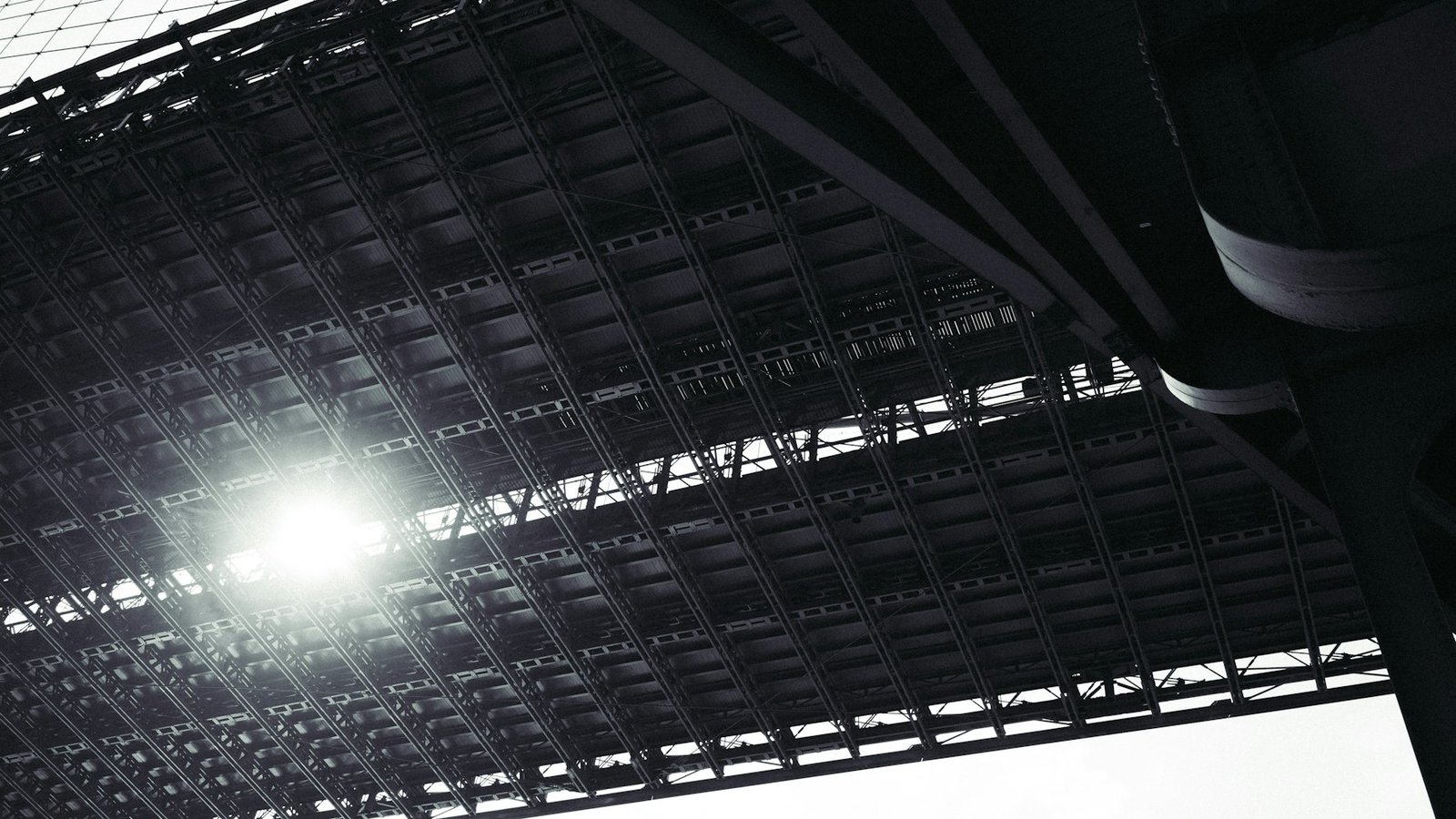 Additionally, the ventilation helps in dissipating heat, making the walkway more comfortable for users during hot weather. This feature also contributes to environmental sustainability by reducing the need for artificial cooling systems.
Safety is a key consideration in bridge walkway design. Steel grating provides excellent traction due to its textured surface, reducing the risk of slips and falls. The material’s strength supports heavy foot traffic and occasional vehicle loads in maintenance scenarios. Its modular nature allows for easy installation and replacement, facilitating quick repairs without major disruptions. Applications extend beyond bridges to include industrial platforms, stair treads, and public spaces where durability and ventilation are priorities.
In summary, the steel grating structure offers a blend of strength, ventilation, and safety that makes it ideal for bridge walkways. Its resistance to wear and environmental factors ensures longevity, while the ventilated design enhances user comfort and reduces maintenance costs. These benefits underscore its value in modern infrastructure, providing reliable and efficient solutions for pedestrian pathways.
 German
  English
  French
  Portuguese
  Japanese
  Russian
  Italian
  Spanish
  Arabic
  Korean