
When working with steel grating, understanding its load capacity is crucial for ensuring structural integrity and safety. This article delves into the importance of steel grating load capacity charts, how they are used, and what factors influence these capacities. Whether you’re a construction professional or a DIY enthusiast, this guide will help you navigate the world of steel grating load capacities with confidence.
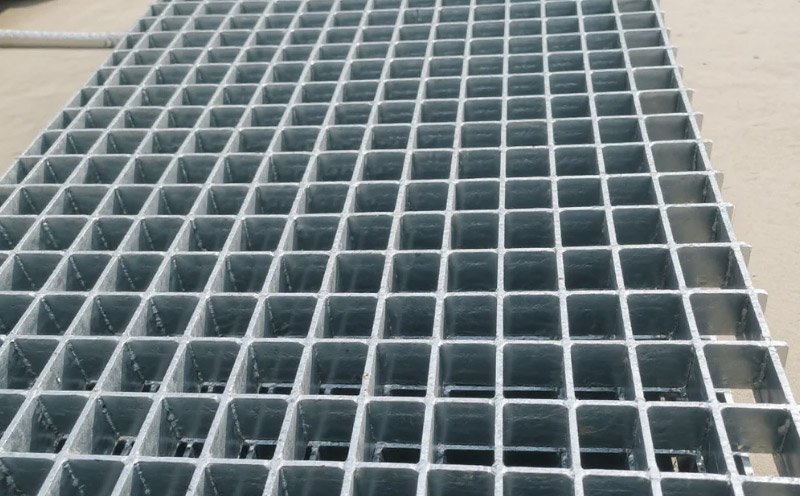
Steel grating is a versatile and widely used material in construction, industrial, and commercial applications. Its strength, durability, and cost-effectiveness make it a go-to choice for platforms, walkways, and access bridges. However, to ensure that steel grating can withstand the intended loads, it’s essential to understand its load capacity. This is where steel grating load capacity charts come into play.
What Are Steel Grating Load Capacity Charts?
Steel grating load capacity charts are tools that provide engineers and construction professionals with critical information about how much weight a particular type of steel grating can support. These charts are based on extensive testing and calculations that take into account various factors such as the type of grating, the gauge of the steel, and the spacing of the bars.
There are several types of steel grating, including bar grating, mesh grating, and deck grating. Each type has its own load capacity, and understanding these capacities is essential for selecting the right material for your project.
How Are Steel Grating Load Capacity Charts Used?
Steel grating load capacity charts are used in a variety of ways throughout the design and construction process. Here are some key applications:
- Design Planning: Engineers use these charts to determine the appropriate type and size of steel grating needed for a specific application. This ensures that the grating can handle the expected loads without failing.
- Structural Analysis: Load capacity charts help in analyzing the structural integrity of existing steel grating installations. This is particularly important for maintenance and renovation projects.
- Safety Compliance: Many building codes and safety standards require that steel grating can support a certain amount of weight. Load capacity charts help ensure compliance with these regulations.
Factors Influencing Steel Grating Load Capacity
Several factors can influence the load capacity of steel grating. Understanding these factors is crucial for selecting the right material and ensuring the safety and longevity of your project.
1. Type of Grating
There are three main types of steel grating:
- Bar Grating: This type consists of parallel bars woven together. It is known for its strength and durability.
- Mesh Grating: Mesh grating has a more open weave and is often used where lighter weight and better drainage are needed.
- Deck Grating: Deck grating has a solid top surface and is often used in applications where a smooth, non-slip surface is required.
2. Gauge of Steel
The gauge of the steel used in the grating affects its load capacity. A lower gauge number indicates thicker steel, which can support more weight. For example, a steel grating with a gauge of 11 will generally have a higher load capacity than one with a gauge of 14.
3. Spacing of Bars
The spacing between the bars in the grating also plays a significant role in its load capacity. Closer spacing typically increases the load capacity, while wider spacing reduces it. The standard spacing for bar grating is 2 inches, but other spacings are available for specific applications.
4. Environmental Conditions
Environmental factors such as temperature, humidity, and exposure to chemicals can affect the load capacity of steel grating. For instance, corrosion can weaken the grating over time, reducing its load capacity.
Reading and Interpreting Steel Grating Load Capacity Charts
Steel grating load capacity charts are typically presented in tables or graphs that show the load capacity for different types of grating based on various factors. Here’s how to read and interpret these charts:
- Identify the Type of Grating: Determine whether you are working with bar grating, mesh grating, or deck grating.
- Find the Gauge:
以上文章内容为AI辅助生成,仅供参考,需辨别文章内容信息真实有效
 German
  English
  French
  Portuguese
  Japanese
  Russian
  Italian
  Spanish
  Arabic
  Korean