
Understanding the dimensions of dense steel grating is crucial for various industrial applications. This article delves into the specifics of dense steel grating dimensions, their importance, and how to choose the right size for your project. From standard sizes to custom options, we’ve got you covered with practical insights and expert advice.
Welcome to our comprehensive guide on dense steel grating dimensions. If you’re working on a construction project that requires robust, durable, and versatile flooring solutions, dense steel grating is an excellent choice. But before you dive into selecting the right product, it’s essential to understand the various dimensions and specifications involved. This article will walk you through everything you need to know about dense steel grating dimensions, ensuring you make an informed decision for your project.
What is Dense Steel Grating?
Dense steel grating is a type of metal mesh flooring made from steel bars that are woven or welded together to create a grid-like pattern. It’s known for its strength, durability, and slip resistance, making it ideal for industrial, commercial, and pedestrian applications. The term “dense” refers to the closely spaced bars, which provide a solid and stable surface.
Key Dimensions of Dense Steel Grating
When it comes to dense steel grating, several key dimensions are crucial to consider. These include bar spacing, panel size, pitch, and load capacity. Let’s break down each of these factors.
Bar Spacing
Bar spacing, also known as pitch, refers to the distance between the centers of adjacent steel bars. It’s typically measured in inches or millimeters. Dense steel grating usually has a smaller bar spacing compared to other types of grating, which enhances its strength and stability. Common bar spacing for dense steel grating ranges from 1 inch to 2 inches.
Panel Size
Panel size refers to the dimensions of the grating panels. They come in various standard sizes, but custom options are also available. The most common panel sizes are 2 feet by 6 feet, 2 feet by 8 feet, and 4 feet by 8 feet. However, for projects requiring specific dimensions, manufacturers can produce custom panels to fit your exact needs.
Load Capacity
Load capacity is a critical factor to consider when selecting dense steel grating. It refers to the amount of weight the grating can support without deforming or breaking. Dense steel grating is designed to handle heavy loads, making it suitable for industrial applications such as loading docks, bridges, and platforms. The load capacity of dense steel grating can vary depending on the bar size, spacing, and the type of coating used.
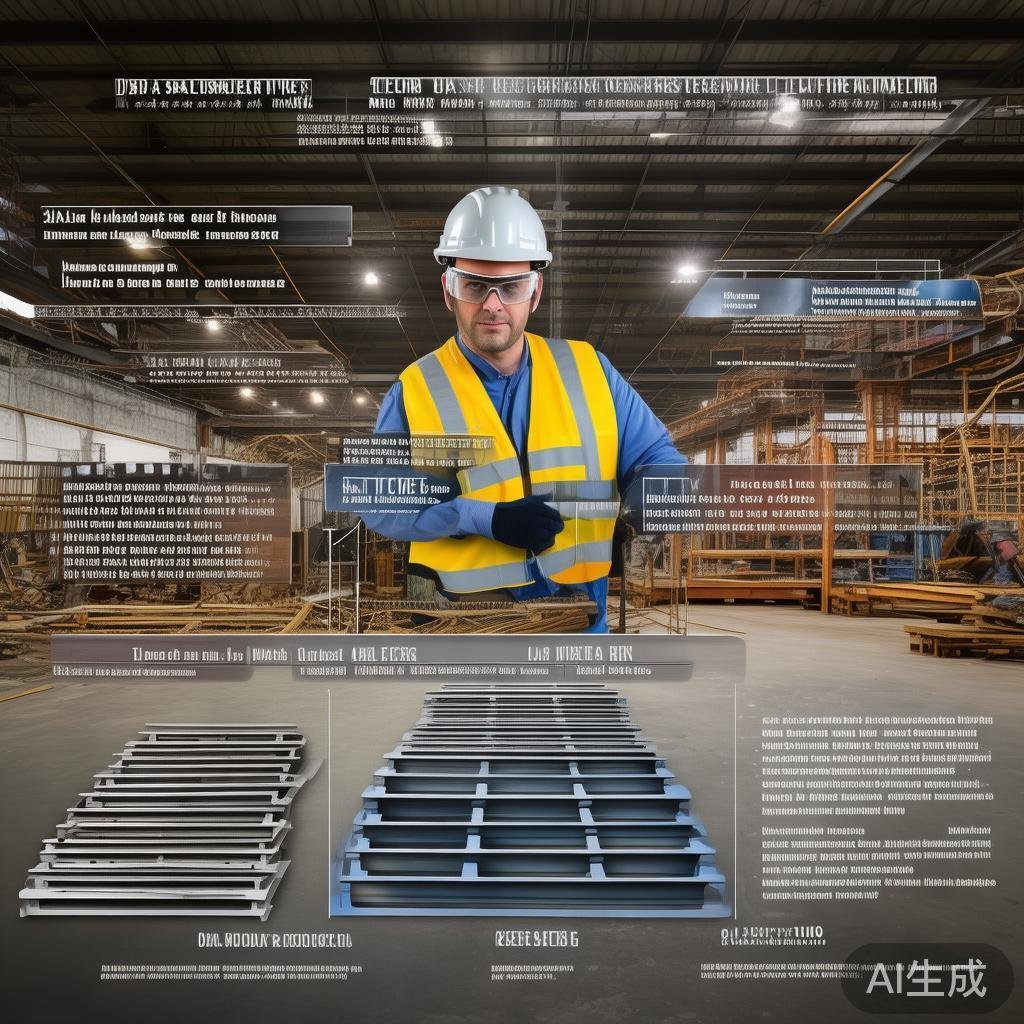
Thickness of the Bars
The thickness of the steel bars used in dense steel grating also plays a significant role in its overall strength and durability. Thicker bars can handle heavier loads and are more resistant to wear and tear. Common bar thicknesses for dense steel grating range from 3/8 inch to 1/2 inch.
Standard Dimensions of Dense Steel Grating
While custom options are available, dense steel grating typically comes in standard dimensions. These standards ensure compatibility with various applications and make it easier to source the right product. Below are some of the most common standard dimensions:
- 2 feet by 6 feet panels with 1-inch bar spacing
- 2 feet by 8 feet panels with 1-inch bar spacing
- 4 feet by 8 feet panels with 1-inch bar spacing
- 2 feet by 6 feet panels with 2-inch bar spacing
- 4 feet by 8 feet panels with 2-inch bar spacing
These standard dimensions are widely used in the industry and are readily available from most manufacturers. However, if your project requires different dimensions, it’s essential to work with a manufacturer who can provide custom solutions.
How to Choose the Right Dense Steel Grating
Selecting the right dense steel grating for your project involves considering several factors, including the intended use, load requirements, and environmental conditions. Here are some tips to help you make the right choice:
Assess the Load Requirements
Determine the maximum weight the grating will need to support. This includes the weight of the surface itself, any equipment or machinery that will be placed on it, and the weight of people or vehicles using it.
 Spanish
  English
  German
  French
  Portuguese
  Japanese
  Russian
  Italian
  Arabic
  Korean