
When it comes to constructing durable and safe platforms, Steel Grating Meeting Australian Standards is a top choice for many industries. This article explores the importance of compliance with Australian standards in steel grating, its benefits, and key considerations for choosing the right product. Whether you’re in the construction, manufacturing, or maintenance sector, understanding these standards can make a significant difference in your projects.
Steel grating is a versatile and robust material used in a wide range of applications, from industrial platforms to pedestrian walkways. One of the most critical aspects of using steel grating is ensuring it meets Australian standards. Compliance with these standards guarantees safety, durability, and reliability, making it an essential consideration for any project.
Why Compliance with Australian Standards Matters
Australian standards for steel grating are designed to ensure that the material meets specific criteria for strength, safety, and performance. These standards are developed through extensive research and collaboration with industry experts, ensuring that they are both practical and effective.
One of the primary reasons compliance is crucial is safety. Steel grating used in public or industrial settings must be able to support heavy loads and withstand various environmental conditions. Non-compliant grating may not meet these requirements, leading to potential hazards such as collapses or injuries.
Additionally, using steel grating that meets Australian standards can also provide peace of mind for project managers and owners. Knowing that the material has been tested and approved by relevant authorities can reduce the risk of unexpected issues and costly repairs.
Key Benefits of Steel Grating Meeting Australian Standards
There are several benefits to using steel grating that complies with Australian standards. These include:
- Durability: Steel grating is known for its strength and longevity. Compliance with Australian standards ensures that the grating can withstand heavy loads and harsh conditions.
- Safety: Australian standards mandate specific safety features such as anti-slip surfaces and proper edge protection, reducing the risk of accidents.
- Cost-Effectiveness: While the initial investment may be higher, compliant steel grating can save money in the long run by reducing maintenance and replacement costs.
- Regulatory Compliance: Using compliant steel grating ensures that your project meets all necessary legal and regulatory requirements.
Understanding the Different Types of Steel Grating
There are several types of steel grating available, each with its own unique characteristics and applications. The most common types include:
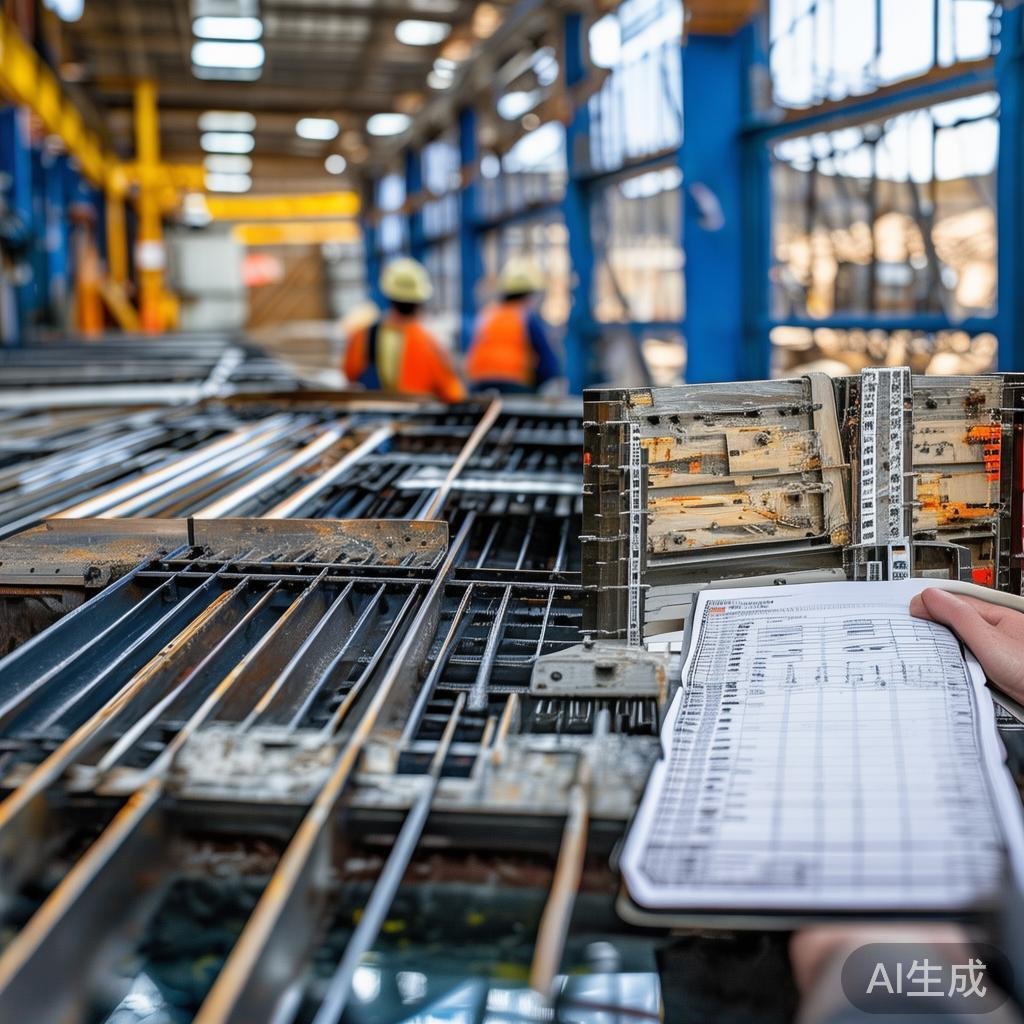
1. Bar Grating
Bar grating is one of the most popular types of steel grating. It consists of parallel bars woven or welded together to create a mesh-like structure. Bar grating is known for its strength and durability, making it ideal for industrial platforms, walkways, and staircases.
2. Grid Grating
Grid grating is characterized by its square or rectangular openings. It is often used in applications where a more open mesh is required, such as drainage systems and railings. Grid grating is lightweight and easy to install, making it a cost-effective choice for many projects.
3. Plate Grating
Plate grating consists of flat steel plates with openings cut into them. This type of grating is ideal for applications where a smooth, flat surface is needed, such as loading docks and platforms. Plate grating is also highly durable and can support heavy loads.
Choosing the Right Steel Grating for Your Project
When selecting steel grating for your project, there are several factors to consider:
- Load Requirements: Determine the maximum load the grating will need to support. This will help you choose the appropriate gauge and type of steel grating.
- Application: Consider the specific use of the grating. For example, pedestrian walkways may require anti-slip surfaces, while industrial platforms may need to withstand heavy machinery.
- Environmental Conditions: Think about the environmental conditions the grating will be exposed to. Corrosive environments may require galvanized or stainless steel grating.
- Compliance: Ensure that the grating meets Australian standards for your specific application.
Installation and Maintenance
Proper installation and maintenance are crucial for ensuring the longevity and performance of steel gr
 Spanish
  English
  German
  French
  Portuguese
  Japanese
  Russian
  Italian
  Arabic
  Korean