
When it comes to constructing offshore platforms, the role of steel grating cannot be overstated. This article delves into the importance, types, benefits, and maintenance of steel grating for offshore platforms, providing a comprehensive guide for engineers and construction professionals. From enhancing safety to ensuring durability, steel grating is a crucial component in the maritime industry.
Offshore platforms are the backbone of the maritime industry, serving as critical infrastructure for oil and gas extraction, wind energy, and marine research. These structures are exposed to harsh environmental conditions, making the choice of materials a matter of life and death. Among the various materials used, steel grating stands out for its durability, versatility, and cost-effectiveness. In this article, we’ll explore why steel grating is the go-to choice for offshore platforms, its different types, benefits, and maintenance tips.
Why Choose Steel Grating for Offshore Platforms?
Offshore environments are characterized by extreme weather conditions, corrosive saltwater, and heavy loads. These challenges necessitate materials that can withstand corrosion, wear, and tear while maintaining structural integrity. Steel grating meets these requirements admirably.
Firstly, steel grating is highly durable. It can endure the relentless pounding of waves and the constant exposure to saltwater without rusting or deforming. This durability ensures that offshore platforms remain safe and operational for extended periods.
Secondly, steel grating is incredibly versatile. It can be designed in various configurations to suit specific needs, whether it’s for walkways, platforms, or even structural support. This flexibility makes it an ideal choice for complex offshore projects.
Lastly, steel grating is cost-effective. Compared to other materials like concrete or specialized alloys, steel grating offers a high strength-to-weight ratio, reducing material costs and transportation expenses. This makes it a budget-friendly option without compromising on quality.
Types of Steel Grating for Offshore Platforms
There are several types of steel grating available, each with its unique features and applications. Understanding these types can help in selecting the right material for your offshore platform.
1. Welded Steel Grating
Welded steel grating is the most common type used in offshore platforms. It consists of parallel bars (called “stringers”) that are welded together to form a grid-like structure. This type of grating is known for its strength and rigidity, making it suitable for heavy-duty applications.
One of the advantages of welded steel grating is its customization options. The spacing between the bars can be adjusted to meet specific load requirements, and it can be coated with anti-corrosive materials to enhance its lifespan.
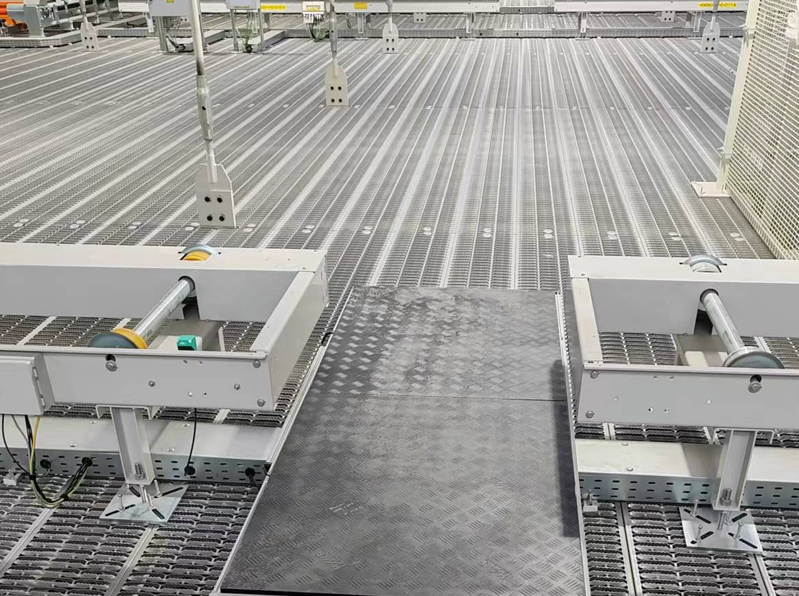
2. Pressed Steel Grating
Pressed steel grating is another popular option for offshore platforms. Unlike welded grating, the bars in pressed grating are pressed into the bearing bars, creating a more uniform and smooth surface. This makes it ideal for walkways and platforms where a non-slip surface is essential.
Pressed steel grating is also lighter than welded grating, which can be beneficial in reducing the overall weight of the offshore platform. This lighter weight can lead to lower construction costs and easier installation.
3. Bar Grating
Bar grating, also known as roll-formed grating, consists of parallel bars that are roll-formed into a grid pattern. This type of grating is less common in offshore platforms but is used in applications where a higher load capacity is required.
Bar grating is known for its strength and durability, making it suitable for heavy-duty industrial applications. However, its higher cost and heavier weight make it less ideal for offshore platforms where weight reduction is crucial.
Benefits of Using Steel Grating for Offshore Platforms
Aside from its durability and versatility, steel grating offers several other benefits that make it the preferred choice for offshore platforms.
Firstly, steel grating is easy to install. Its modular design allows for quick and efficient assembly, reducing construction time and costs. This is particularly important in offshore environments where weather conditions can be unpredictable.
Secondly, steel grating is safe. Its open-grid design provides excellent drainage, reducing the risk of slipping and falling. Additionally, the bars can be treated with anti-slip coatings to further enhance safety.
Lastly, steel grating is environmentally friendly. It can be recycled at the end of its lifespan, reducing waste and minimizing the environmental impact. This makes it a sustainable choice for offshore
 French
  English
  German
  Portuguese
  Japanese
  Russian
  Italian
  Spanish
  Arabic
  Korean