
Enhancing your balcony with steel grating railings offers a perfect blend of safety, durability, and aesthetic appeal. This comprehensive guide explores the benefits, types, installation process, and maintenance tips for steel grating used in balcony railings, ensuring your space is both secure and stylish.
Why Choose Steel Grating for Balcony Railings?
When it comes to designing and upgrading your balcony, safety and aesthetics are paramount. Steel grating railings have become a popular choice for homeowners and architects alike due to their numerous advantages. Unlike traditional railings, steel grating offers enhanced strength, durability, and a modern look that can significantly提升 the overall appeal of your outdoor space.
One of the primary reasons for opting for steel grating is its exceptional strength. Balconies are often subject to various environmental stresses, including wind, snow, and the weight of people and furniture. Steel grating can withstand these pressures without bending or breaking, ensuring that your balcony remains safe and secure.
Moreover, steel grating is highly durable. It resists corrosion, rust, and decay, making it an ideal choice for balconies that are exposed to the elements. Unlike wood or plastic railings, steel grating does not require regular painting or sealing, saving you time and money in the long run.
Types of Steel Grating for Balcony Railings
There are several types of steel grating available, each offering unique features and benefits. The most common types include:
1. Steel Grating with Perforations
Perforated steel grating is designed with holes that not only add an aesthetic appeal but also improve ventilation. This type of grating is ideal for balconies where you want to maintain a sense of openness while ensuring safety.
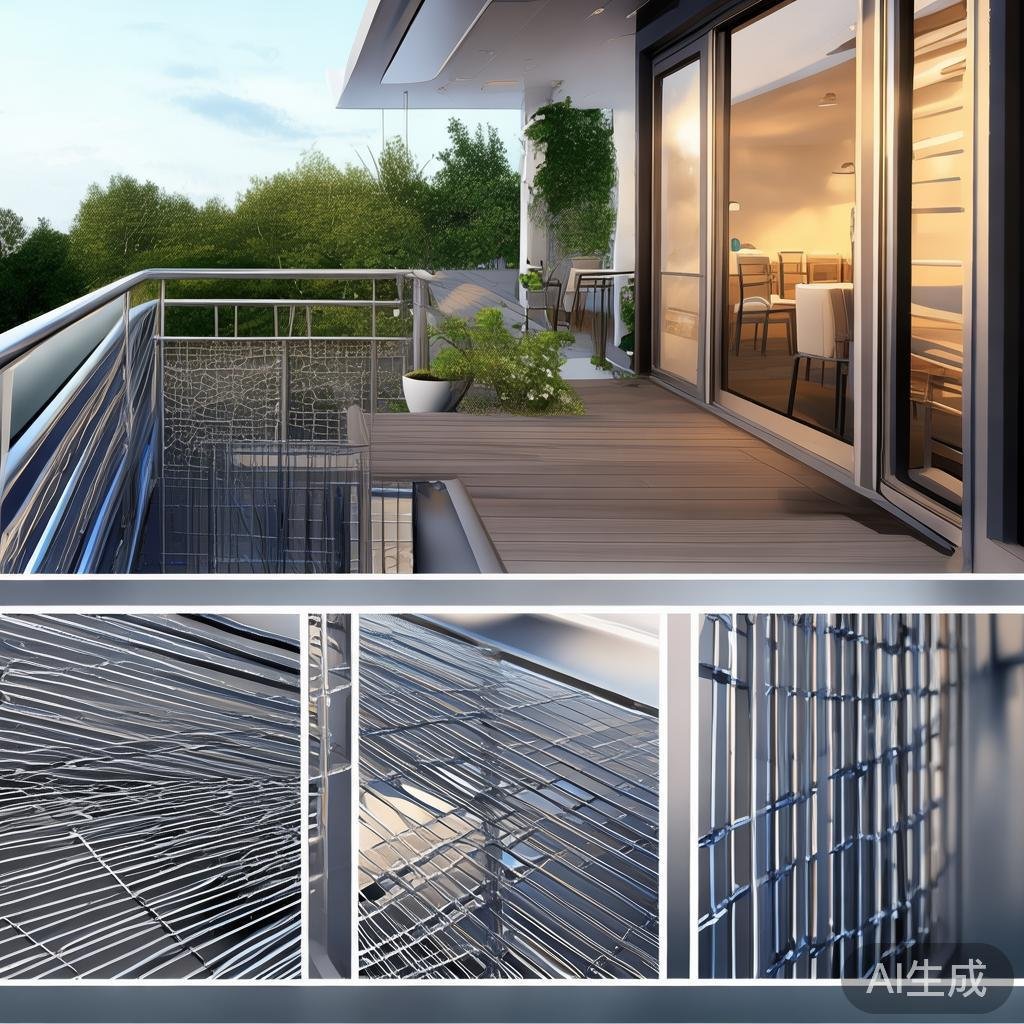
2. Plain Steel Grating
Plain steel grating is straightforward and offers a clean, minimalist look. It is perfect for those who prefer a more understated design while still enjoying the benefits of strength and durability.
3. Welded Steel Grating
Welded steel grating is created by welding steel bars together to form a solid and robust structure. This type of grating is highly durable and can withstand heavy loads, making it an excellent choice for balconies that are frequently used.
4. Pressed Steel Grating
Pressed steel grating has a more decorative appearance and is often used in high-end residential and commercial applications. It offers a sleek and modern look while still providing the necessary safety and strength.
Installation Process of Steel Grating for Balcony Railings
Installing steel grating for balcony railings is a straightforward process, but it is essential to follow the correct steps to ensure a secure and professional-looking finish.
- Measure and Plan: Start by measuring the dimensions of your balcony and planning the layout of the grating. This will help you determine the amount of grating you need and how it should be configured.
- Prepare the Area: Clear the area where the grating will be installed and ensure it is level. If necessary, use concrete or other materials to create a stable base.
- Install Support Posts: Install support posts at regular intervals to provide additional stability. These posts should be securely anchored to the balcony floor.
- Place the Grating: Carefully place the steel grating onto the support posts. Ensure it is level and secure. Use fasteners or welding to attach the grating to the posts, depending on the type of grating you have chosen.
- Finishing Touches: Once the grating is installed, add any finishing touches such as handrails or decorative elements to enhance the overall look.
Maintenance Tips for Steel Grating Balcony Railings
While steel grating is known for its durability, it is still essential to perform regular maintenance to keep
 French
  English
  German
  Portuguese
  Japanese
  Russian
  Italian
  Spanish
  Arabic
  Korean