
Steel Grating for Construction: A Comprehensive Guide
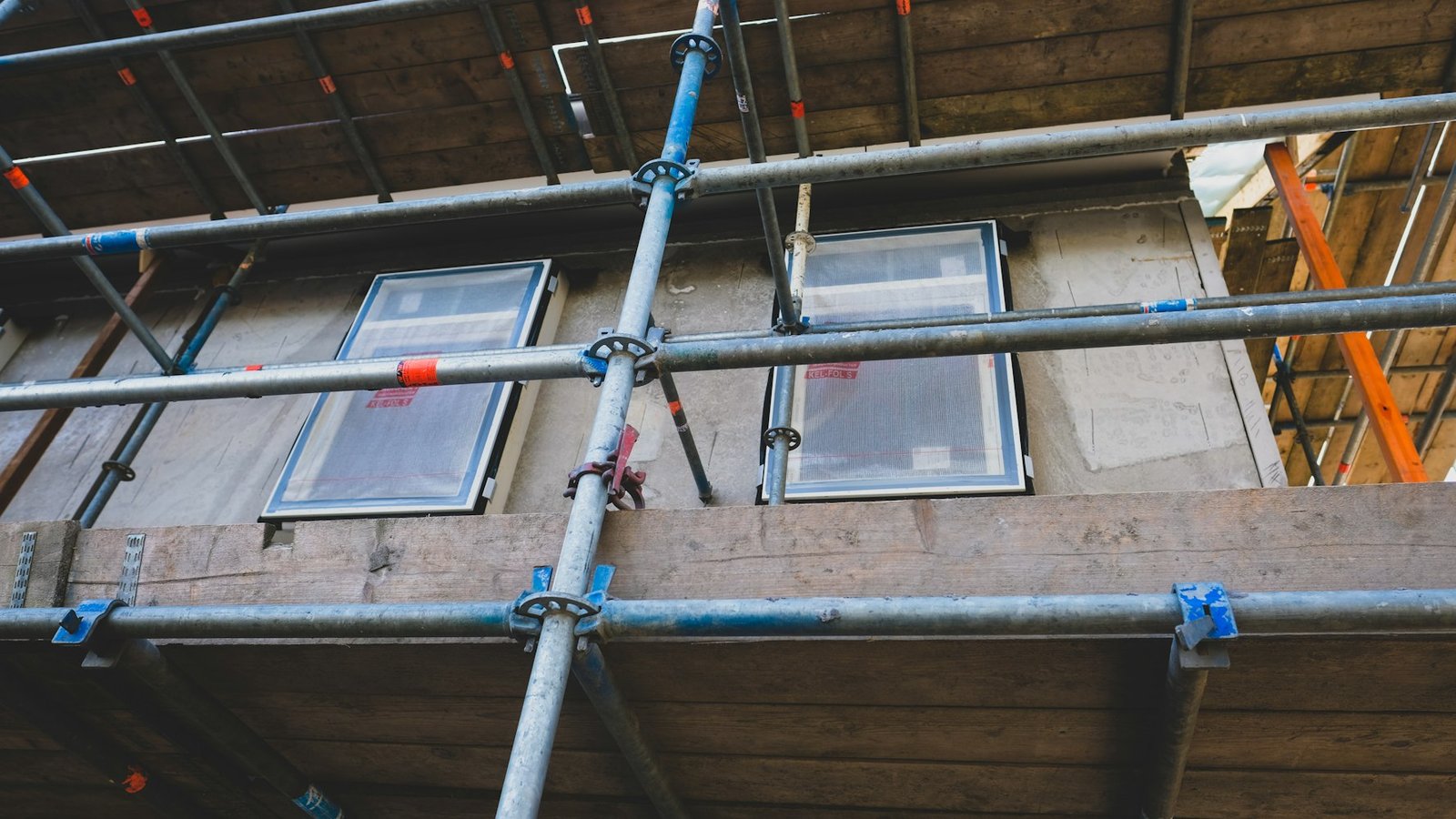
Steel grating is an essential component in modern construction, providing a durable and versatile solution for a wide range of applications. This comprehensive guide aims to provide an in-depth understanding of steel grating, its types, benefits, applications, and installation considerations. By the end of this guide, readers will have a clear grasp of why steel grating is a preferred choice for numerous construction projects.
Comprendre le caillebotis en acier
Steel grating is a type of open-grid flooring made from steel bars. It consists of two parallel steel bars, typically set at right angles to each other, creating a grid-like pattern. The spaces between the bars allow for water drainage and reduce weight, making it an ideal choice for various construction needs. The bars used in steel grating can be flat or grooved, depending on the specific requirements of the project.
Types of Steel Grating
There are several types of steel grating available, each designed to meet specific needs. The most common types include roll-formed steel grating, fabricated steel grating, and welded steel grating. Roll-formed steel grating is created by rolling steel bars through a series of molds, ensuring uniformity and strength. Fabricated steel grating is custom-made to fit specific dimensions and requirements. Welded steel grating is created by welding the bars together, providing a sturdy and stable structure.
Benefits of Steel Grating
Steel grating offers numerous benefits that make it a popular choice for construction projects. One of the primary advantages is its high strength and durability. Steel grating can withstand heavy loads and harsh environmental conditions, making it suitable for use in industrial, commercial, and residential buildings. Additionally, steel grating is highly resistant to corrosion, ensuring long-term performance and reliability. Another significant benefit is its cost-effectiveness. Steel grating is relatively inexpensive compared to other flooring options, providing a high-quality solution at a competitive price point.
Applications of Steel Grating
Steel grating is used in a variety of applications across different industries. In the construction industry, it is commonly used for walkways, platforms, and staircases. Steel grating is also used in the oil and gas industry for pipeline supports and access platforms. In the chemical industry, it is utilized for plant flooring and equipment platforms. Additionally, steel grating is used in the transportation industry for bridge decks and railway crossings. Its versatility makes it a suitable choice for a wide range of construction needs.
Installation Considerations
Proper installation is crucial to ensure the longevity and performance of steel grating. The installation process involves several steps, including site preparation, layout, and anchoring. It is essential to follow the manufacturer’s instructions and use the appropriate tools and equipment. Proper anchoring ensures that the steel grating is securely in place and can withstand heavy loads. Additionally, it is important to consider the environmental conditions of the site, as this can affect the type of steel grating used and the installation process.
Maintenance and Care
To maintain the integrity of steel grating, regular maintenance is necessary. This includes cleaning the grating to remove debris and dirt, inspecting for any signs of damage, and repairing any cracks or rust. Regular maintenance helps to extend the lifespan of the steel grating and ensures its continued performance. In addition, applying a protective coating can help to prevent corrosion and enhance durability.
Conclusion
Steel grating is a highly effective and versatile solution for a wide range of construction applications. Its strength, durability, and cost-effectiveness make it a preferred choice for numerous industries. By understanding the different types of steel grating, their benefits, applications, and installation considerations, construction professionals can make informed decisions to meet their project needs. Proper maintenance and care are also essential to ensure the longevity and performance of steel grating. With its numerous advantages, steel grating continues to be a reliable and efficient option for modern construction.
 French
  English
  German
  Portuguese
  Japanese
  Russian
  Italian
  Spanish
  Arabic
  Korean