
Enhancing sports venues with durable and efficient steel grating solutions is crucial for modern athletic facilities. This article explores the benefits, types, and applications of steel grating in sports venues, providing insights for facility managers and designers looking to improve safety, accessibility, and aesthetics.
Welcome to our blog, where we dive deep into the world of sports facility enhancements! Today, we’re focusing on a game-changing material: steel grating. Whether you’re managing a stadium, a gym, or a community sports center, understanding the benefits of steel grating can make a world of difference. Let’s jump right in and explore why steel grating is the go-to choice for modern sports venues.
What is Steel Grating?
Steel grating is a type of metal framework made from steel bars arranged in a grid pattern. It’s commonly used in various industries for its durability, strength, and versatility. But what makes it perfect for sports venues? Let’s break it down.
1. Durabilité
Steel grating is built to last. It can withstand heavy foot traffic, extreme weather conditions, and even the wear and tear of athletic activities. This means fewer repairs and lower maintenance costs over time.
2. La sécurité
Safety is paramount in sports venues. Steel grating provides a non-slip surface, reducing the risk of accidents. Its open design also allows for proper drainage, preventing water buildup and滑倒 hazards.
3. Cost-Effectiveness
Compared to other materials, steel grating offers a great return on investment. It’s relatively affordable and can be installed quickly, saving both time and money.
Types of Steel Grating
Not all steel grating is created equal. There are several types available, each with its unique features. Here are the most common types used in sports venues:
1. Bar Grating
Bar grating is the most popular type. It consists of parallel bars woven or welded together. It’s strong, durable, and ideal for high-traffic areas.
2. Mesh Grating
Mesh grating has a finer grid pattern, making it lighter and more flexible. It’s great for areas where weight capacity isn’t as critical.
3. Aluminum Grating
For venues where weight is a concern, aluminum grating is a fantastic option. It’s lighter than steel but still strong enough to handle most sports activities.
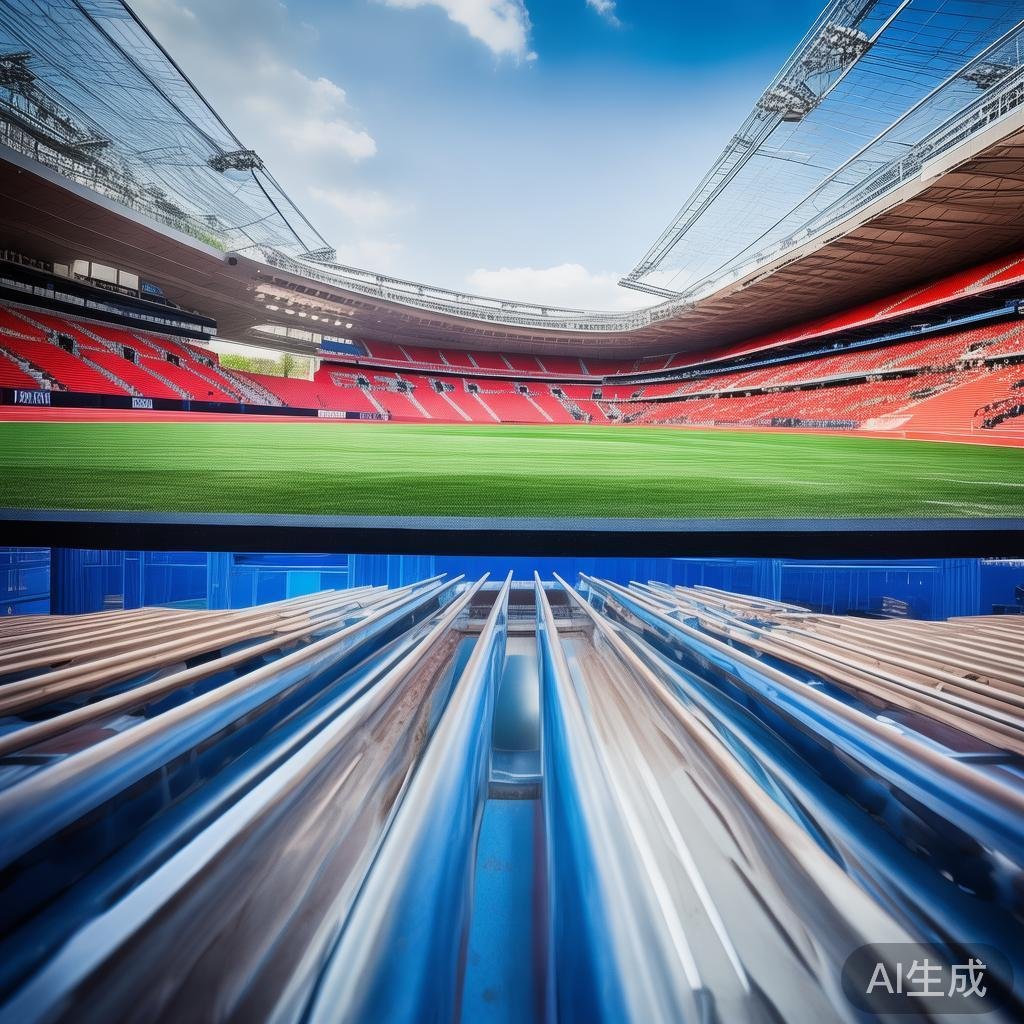
Applications of Steel Grating in Sports Venues
Now that we know the benefits and types of steel grating, let’s look at how it’s used in sports venues.
1. Passerelles et plates-formes
Steel grating is perfect for walkways and platforms in stadiums, arenas, and outdoor sports facilities. It provides a stable, safe surface for spectators and maintenance crews.
2. Bleachers and Seating Areas
Many sports venues use steel grating for bleachers and seating areas. It’s lightweight, durable, and can be designed to match the venue’s aesthetic.
3. Drainage Systems
Proper drainage is essential in sports venues to prevent water buildup and maintain a safe playing surface. Steel grating can be integrated into drainage systems, allowing water to flow through while keeping debris out.
4. Lighting and Signage
Steel grating is often used for mounting lighting and signage in sports venues. Its sturdy construction ensures that these elements remain secure even in high-wind conditions.
5. Security Barriers
For added security, steel grating can be used as barriers to restrict access to certain areas. It’s strong enough to deter unauthorized entry while still allowing visibility.
Benefits of Using Steel Grating in Sports Venues
Let’s recap the key benefits of using steel grating in sports venues:
- Enhanced Safety: Non-slip surface and proper drainage reduce the risk of accidents.
- Increased Durability: Built to withstand heavy use and extreme weather.
- Cost-Effective: Affordable and quick to install, saving time and money.
- Customizable: Available in various types and sizes to meet specific needs.</li
 French
  English
  German
  Portuguese
  Japanese
  Russian
  Italian
  Spanish
  Arabic
  Korean