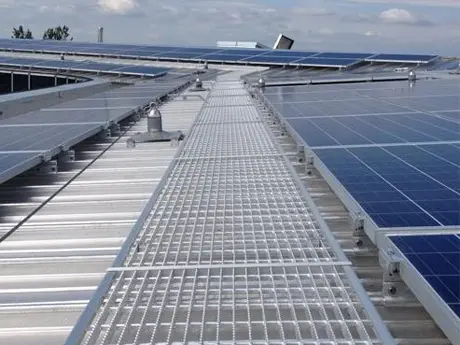
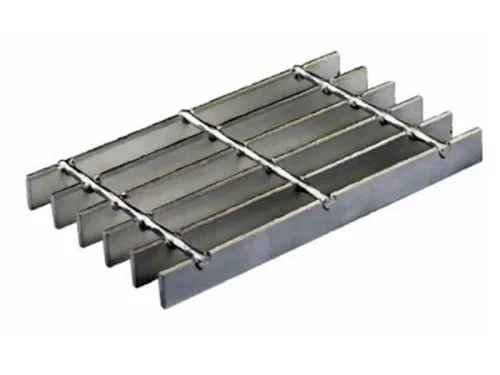
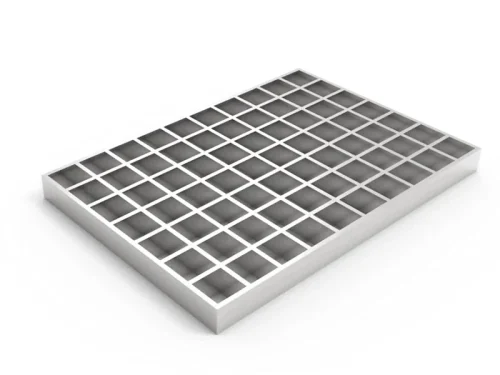
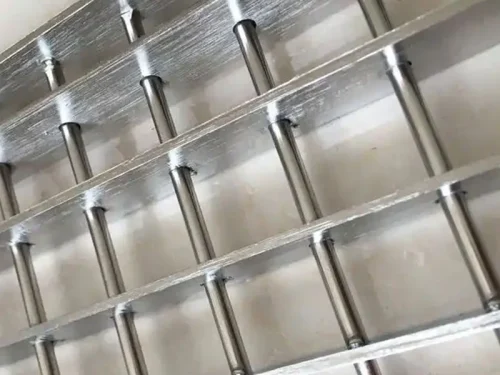
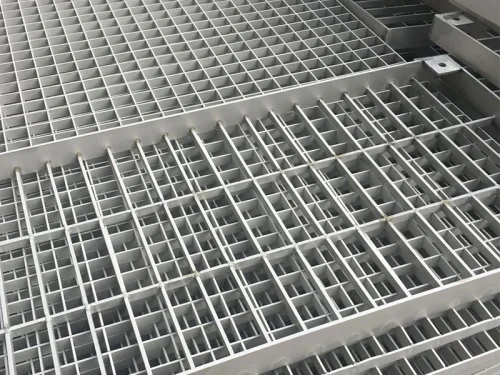
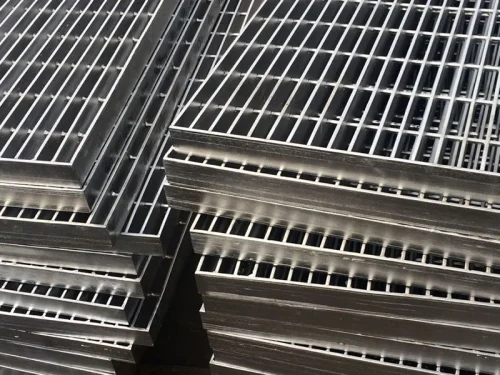
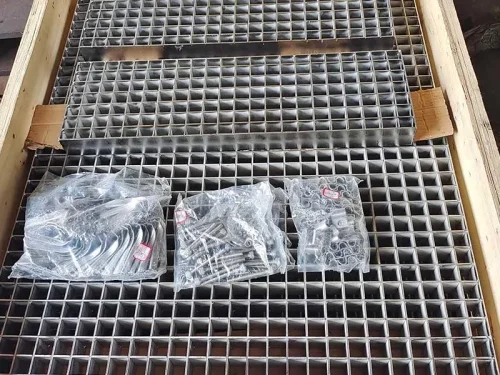
304, 316 and 316L are three common stainless steel grating materials. Their performance characteristics are as follows.
| Grade |
Corrosion resistance |
Yield Strength |
Tensile Strength |
Elongation |
Hardness |
| 304 |
It has good corrosion resistance and good tolerance to common environments such as air and water. In general indoor environments and conventional industrial atmospheres, it can maintain good corrosion resistance, but in some environments containing corrosive media such as chloride ions, the corrosion resistance is relatively weak. |
≥205MPa |
≥515MP |
≥40% |
≤201HBW、≤92HRB、≤210HV |
| 316 |
The addition of molybdenum (Mo) element to 304 significantly improves its corrosion resistance, especially its resistance to chlorides. Therefore, it is often used in marine environments, chemical equipment and other fields that are easily exposed to corrosive media. |
≥205MPa |
≥515MPa |
≥40% |
≤217HBW、≤95HRB、≤220HV |
| 316L |
It is a low-carbon version of 316. Due to its lower carbon content, its intergranular corrosion resistance is better than that of 316 stainless steel. During welding and long-term use, 316L stainless steel can better maintain its corrosion resistance and is suitable for occasions with extremely high corrosion resistance requirements, such as food processing, medical equipment and other industries. |
≥170MPa |
≥485MPa |
≥40% |
≤187HBW、≤90HRB、≤200HV |