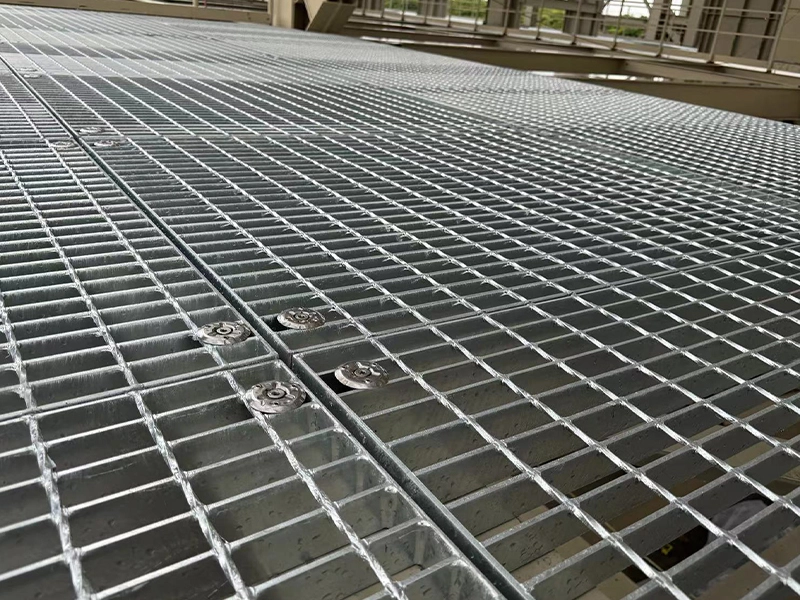
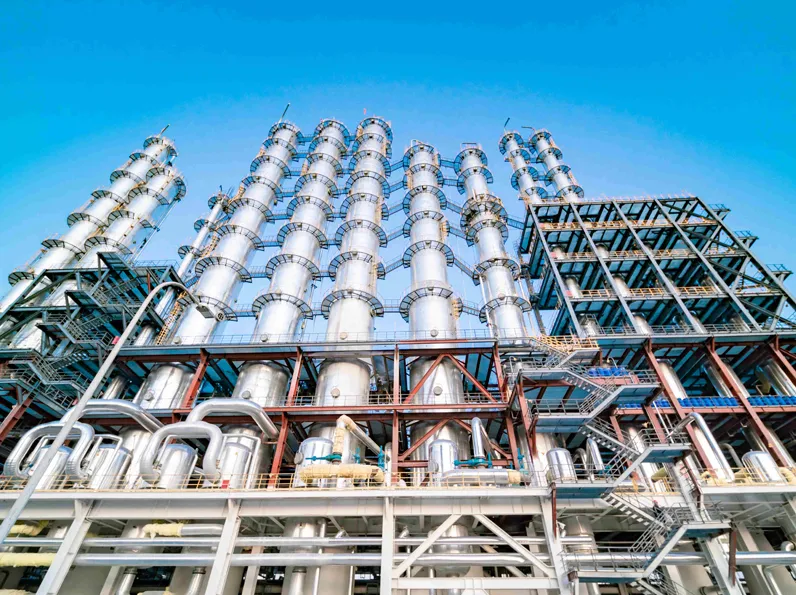
スチールグレーチング

The Practical Advantages of Steel Grating in Workshop Flooring

Steel grating serves as an essential component in industrial workshop flooring due to its functional design and durability. The open grid structure allows for efficient drainage and debris removal, significantly reducing cleaning time and effort. Unlike solid surfaces, liquids and small particles fall through the grating, preventing accumulation that can lead to slip hazards or corrosion. This design simplifies routine maintenance tasks such as pressure washing or sweeping, as workers can access the entire floor area without obstruction. The material’s corrosion-resistant properties ensure longevity even in high-moisture environments. Galvanized coatings provide additional protection against rust, minimizing the need for frequent replacements. Workers can easily remove individual grating sections for inspection […]

The Practical Advantages of Steel Grating in Workshop Flooring 続きを読む "

The Durability and Resilience of Steel Grating in Port Terminal Environments

Port terminals operate in demanding environments where heavy machinery, constant foot traffic, and exposure to harsh elements require robust infrastructure. Steel grating has emerged as a critical component in these settings due to its exceptional durability and structural integrity. This material withstands significant impact forces without compromising its form or function. The manufacturing process involves precision welding and forging techniques that create a rigid lattice structure. This design distributes weight evenly across the surface, preventing localized stress points that could lead to deformation. Industrial-grade steel alloys provide inherent strength while specialized coatings offer protection against saltwater corrosion, chemical exposure, and extreme temperature fluctuations common in maritime environments. Maintenance protocols for

The Durability and Resilience of Steel Grating in Port Terminal Environments 続きを読む "

The Strength and Ventilation Benefits of Steel Grating in Bridge Walkways

Steel grating is a widely used material in the construction of bridge walkways, known for its exceptional durability and ability to facilitate airflow. This structure consists of interconnected steel bars arranged in a grid pattern, forming a stable surface for pedestrian use. The primary advantage of steel grating lies in its robust nature. Made from high-quality steel alloys, it resists corrosion, heavy loads, and environmental stresses such as wind, rain, and temperature fluctuations. This ensures long-term reliability and minimizes maintenance needs, making it a cost-effective choice for infrastructure projects. The grating design allows for efficient drainage and prevents the accumulation of water, ice, or debris, enhancing safety in wet conditions.

The Strength and Ventilation Benefits of Steel Grating in Bridge Walkways 続きを読む "

The Robustness and Durability of Steel Grating in Parking Lot Applications

Steel grating is a critical component in modern parking lot infrastructure, offering unparalleled strength, longevity, and load-bearing capabilities. Its structural integrity ensures safety and efficiency in high-traffic environments, making it an indispensable choice for architects and engineers. The primary advantage of steel grating lies in its inherent sturdiness. Constructed from high-quality steel alloys, it withstands extreme pressure without deformation. Vehicles of all sizes, including heavy trucks and SUVs, traverse these surfaces daily, exerting significant force. Yet, the grating remains intact, distributing weight evenly across its grid-like framework. This design minimizes stress points, preventing premature wear or failure. Durability is another hallmark of steel grating. It resists corrosion, rust, and environmental

The Robustness and Durability of Steel Grating in Parking Lot Applications 続きを読む "

Superior Corrosion Resistance of Steel Grating in Chemical Plants

Steel grating is a critical component in chemical plants, valued for its structural integrity and durability. Its superior corrosion resistance makes it indispensable in environments exposed to aggressive chemicals, moisture, and extreme temperatures. Chemical plants require materials that withstand harsh conditions without compromising safety or performance. Steel grating meets these demands through its robust design and material properties. Chemical processing facilities often handle corrosive substances like acids, alkalis, and solvents. Traditional materials may degrade quickly, leading to structural failures or safety hazards. Steel grating, however, resists such degradation due to its composition and protective treatments. Galvanization is a common method used to enhance corrosion resistance. This process involves coating the

Superior Corrosion Resistance of Steel Grating in Chemical Plants 続きを読む "

High-Temperature Resistant and Anti-Aging Steel Grating for Power Plants

Steel grating specifically designed for power plants plays a critical role in ensuring operational safety and efficiency. This specialized grating must withstand extreme temperatures and resist aging effects caused by environmental factors. Power plants operate under demanding conditions where equipment is exposed to high heat, heavy loads, and corrosive substances. The steel grating used in these facilities is engineered to endure temperatures exceeding 500°C without deformation or loss of structural integrity. The material composition of this grating includes alloy elements that enhance its thermal stability and corrosion resistance. These alloys prevent oxidation and degradation even in humid or chemically aggressive environments. Additionally, the grating’s surface treatment provides extra protection against

High-Temperature Resistant and Anti-Aging Steel Grating for Power Plants 続きを読む "

Steel Grating for Platforms: Strength and Safety

Steel grating designed for platforms offers exceptional load-bearing capabilities and enhanced safety features. This structural material is widely used in industrial, commercial, and public settings due to its robust construction and reliable performance. The open-grid design allows for efficient weight distribution, enabling it to support heavy equipment, machinery, and foot traffic without deformation. The manufacturing process involves high-quality steel bars welded or locked together under controlled conditions. This creates a rigid framework capable of withstanding significant static and dynamic loads. Engineers specify various load ratings based on application requirements, ensuring compliance with international safety standards. Safety remains paramount in platform design. Steel grating provides slip resistance through serrated surfaces or

Steel Grating for Platforms: Strength and Safety 続きを読む "

Understanding the Load Limit of Steel Grating

Steel grating is a critical component in various industrial and architectural applications. Its load-bearing capacity is a fundamental aspect that ensures safety and structural integrity. The load limit of steel grating depends on several factors, including material thickness, bar spacing, and support configuration. Load limits are categorized into two main types: uniform load and concentrated load. Uniform load refers to the distributed weight across the entire surface, while concentrated load focuses on a specific point. Engineers calculate these limits using standardized formulas and testing protocols. The manufacturing process involves welding or pressing steel bars to form a grid pattern. This design optimizes strength-to-weight ratio while allowing airflow and drainage. Corrosion

Understanding the Load Limit of Steel Grating 続きを読む "

The Aesthetic Transformation of Steel Grating in Landscape Architecture

Steel grating has long been associated with industrial applications, known for its strength and durability. However, recent innovations have revealed its potential in landscape design, where it serves as a functional and visually appealing element. This shift represents a significant evolution in how materials are utilized in outdoor spaces. Traditionally, steel grating was used in factories, bridges, and other structures requiring robust support. Its primary advantages include resistance to corrosion, high load-bearing capacity, and ease of installation. These properties make it an ideal choice for environments exposed to harsh weather and heavy use. In landscape design, steel grating is now being incorporated into various features such as walkways, decks, and

The Aesthetic Transformation of Steel Grating in Landscape Architecture 続きを読む "

The Science of Slip Resistance: How Steel Grating Ensures Safety in Rain and Snow

Walking safely on wet or icy surfaces is a critical concern in industrial and public spaces. Steel grating provides exceptional slip resistance through its unique structural design. The open-mesh pattern allows rainwater and melted snow to drain immediately, preventing hazardous puddles. Meanwhile, the raised bearing bars create friction points that enhance traction underfoot. 【Image: close-up view of steel grating surface texture】 During rainfall, traditional solid surfaces become slick as water accumulates. Steel grating’s drainage efficiency maintains dry contact points for footwear. The serrated surfaces on premium grating products further increase grip by disrupting water surface tension. This microscopic texture creates hundreds of contact edges that improve friction coefficients by up

The Science of Slip Resistance: How Steel Grating Ensures Safety in Rain and Snow 続きを読む "

The Evolution of Steel Grating: From Industrial Beginnings to Modern Applications

Steel grating emerged in the late 19th century as a solution for industrial flooring needs. Initially crafted from wrought iron, early versions featured riveted connections between bearing bars and cross rods. This primitive construction provided basic structural support but lacked uniformity in load distribution. The transition to steel materials in the early 20th century marked a significant advancement, offering superior tensile strength and corrosion resistance compared to iron predecessors. Manufacturing techniques evolved substantially with the adoption of electric welding technology in the 1920s. This innovation enabled stronger joints between intersecting bars, enhancing the grating’s weight-bearing capacity. The standardization of production methods during this period led to more consistent product dimensions

The Evolution of Steel Grating: From Industrial Beginnings to Modern Applications 続きを読む "

How to Select the Right Steel Grating for Different Applications

Choosing the appropriate steel grating is crucial for safety, efficiency, and longevity in industrial and commercial settings. Incorrect selection can lead to structural failures, increased maintenance costs, and safety hazards. This guide outlines key factors to consider when selecting steel grating for various scenarios. Steel grating is commonly used in walkways, platforms, stair treads, and drainage covers due to its strength, durability, and slip resistance. The first consideration is load-bearing capacity. Industrial environments like factories or warehouses require heavy-duty grating capable of supporting substantial weights, such as machinery or stored materials. For pedestrian walkways, medium-duty grating suffices. Always verify the load requirements specified in engineering standards or project specifications. [图片生成出错:

How to Select the Right Steel Grating for Different Applications 続きを読む "

jaJapanese