
Steel grating serves as an essential component in industrial workshop flooring due to its functional design and durability. The open grid structure allows for efficient drainage and debris removal, significantly reducing cleaning time and effort. Unlike solid surfaces, liquids and small particles fall through the grating, preventing accumulation that can lead to slip hazards or corrosion. This design simplifies routine maintenance tasks such as pressure washing or sweeping, as workers can access the entire floor area without obstruction.
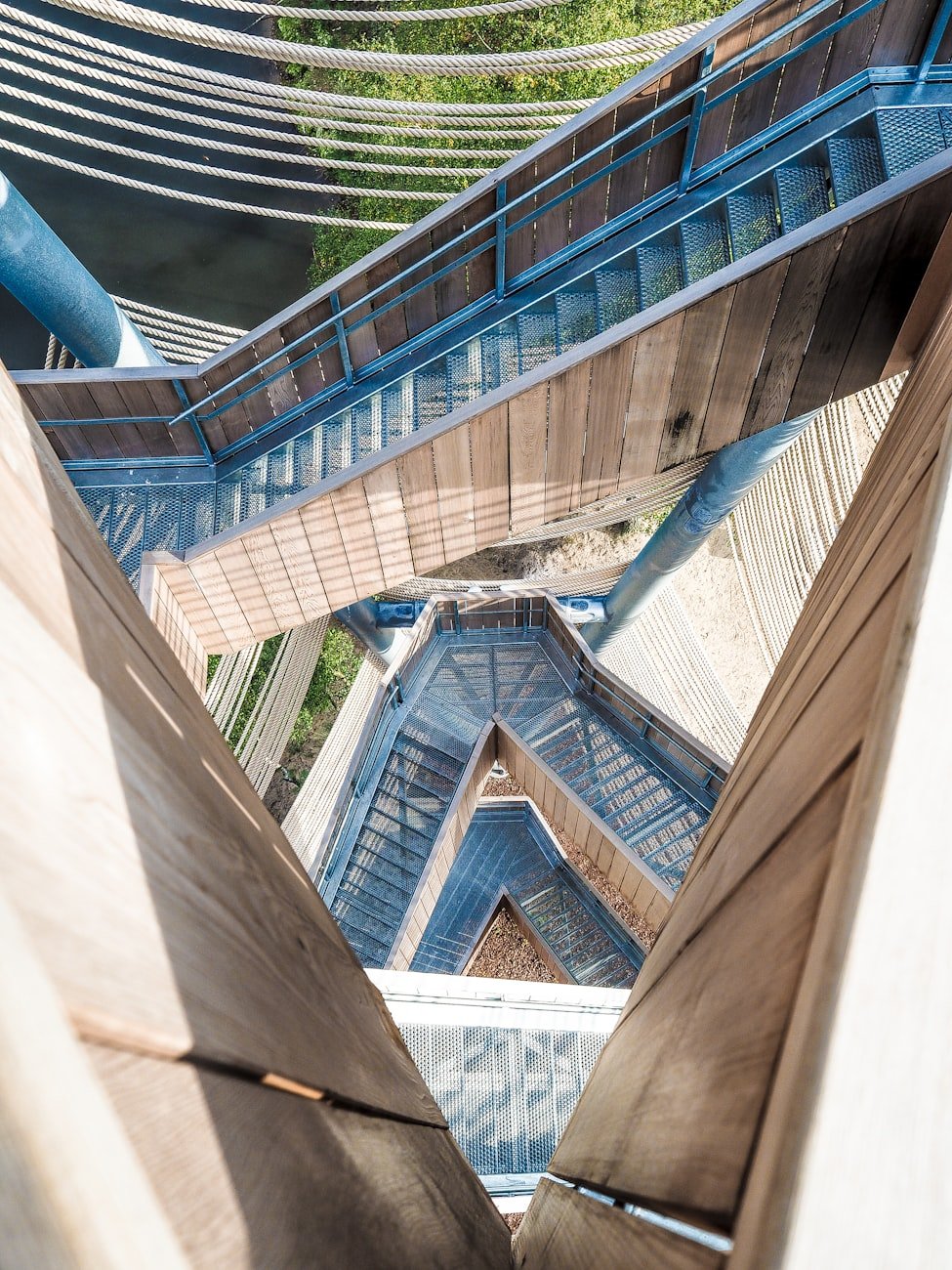
The material’s corrosion-resistant properties ensure longevity even in high-moisture environments. Galvanized coatings provide additional protection against rust, minimizing the need for frequent replacements. Workers can easily remove individual grating sections for inspection or repair of underlying utilities, eliminating the need for disruptive floor demolition. This modularity also allows for selective replacement of damaged areas rather than entire floor overhauls.
Safety standards benefit from steel grating’s slip-resistant surface texture and high load-bearing capacity. The open structure permits proper ventilation, reducing moisture buildup that could damage equipment or compromise structural integrity. Fire safety improves as the grating doesn’t accumulate flammable dust or liquids in hidden crevices. Thermal conductivity helps regulate floor temperature in environments with heat-generating machinery.
Compared to concrete or wood alternatives, steel grating offers superior resistance to chemical spills and mechanical impact. Its lightweight nature simplifies installation while maintaining structural rigidity. The long-term cost efficiency becomes apparent through reduced maintenance expenses and extended service life. Industrial facilities prioritizing operational efficiency continue to adopt this solution for its practical benefits in daily operations.
 Portuguese
  English
  German
  French
  Japanese
  Russian
  Italian
  Spanish
  Arabic
  Korean