
Steel Grating for Ship Decks is an essential component in maritime construction, providing durability, safety, and functionality. This article explores the types, benefits, and applications of steel grating in ship decks, offering insights for professionals in the maritime industry.
Ship decks are the backbone of maritime operations, enduring immense pressure and exposure to harsh environments. One of the most critical components in maintaining the integrity and functionality of these decks is steel grating. Steel grating for ship decks not only enhances safety but also provides a durable and efficient surface for various applications. In this comprehensive guide, we’ll delve into the different types of steel grating used in ship decks, their benefits, and real-world applications.
Understanding Steel Grating
Steel grating is a type of metal grid used for walkways, platforms, and covering openings in the deck of ships. It consists of parallel bars (ribs) connected by cross bars (stringers), creating a strong and stable surface. The most common types of steel grating include welded steel grating, bar-pressed steel grating, and roll-formed steel grating. Each type has its unique features and advantages, making them suitable for different maritime applications.
Welded Steel Grating
Welded steel grating is the most popular type used in ship decks due to its high strength and durability. It is created by welding cross bars at specified intervals to the main bars, resulting in a solid and stable structure. This type of grating is ideal for heavy-duty applications, such as vehicle decks and access platforms.
Bar-Pressed Steel Grating
Bar-pressed steel grating is manufactured by pressing steel bars into a mold, creating a more uniform and aesthetically pleasing surface. This type of grating is lighter than welded grating but still offers excellent strength and durability. It is commonly used for walkways and pedestrian decks where a cleaner look is desired.
Roll-formed Steel Grating
Roll-formed steel grating is produced by rolling steel sheets through a series of molds, forming the grating in a continuous process. This method results in a smooth and consistent surface, making it ideal for applications where safety and comfort are paramount. Roll-formed grating is often used in passenger ships and cruise liners.
Benefits of Steel Grating for Ship Decks
Steel grating offers numerous benefits for ship decks, making it a preferred choice for maritime construction. Here are some of the key advantages:
1. Durability
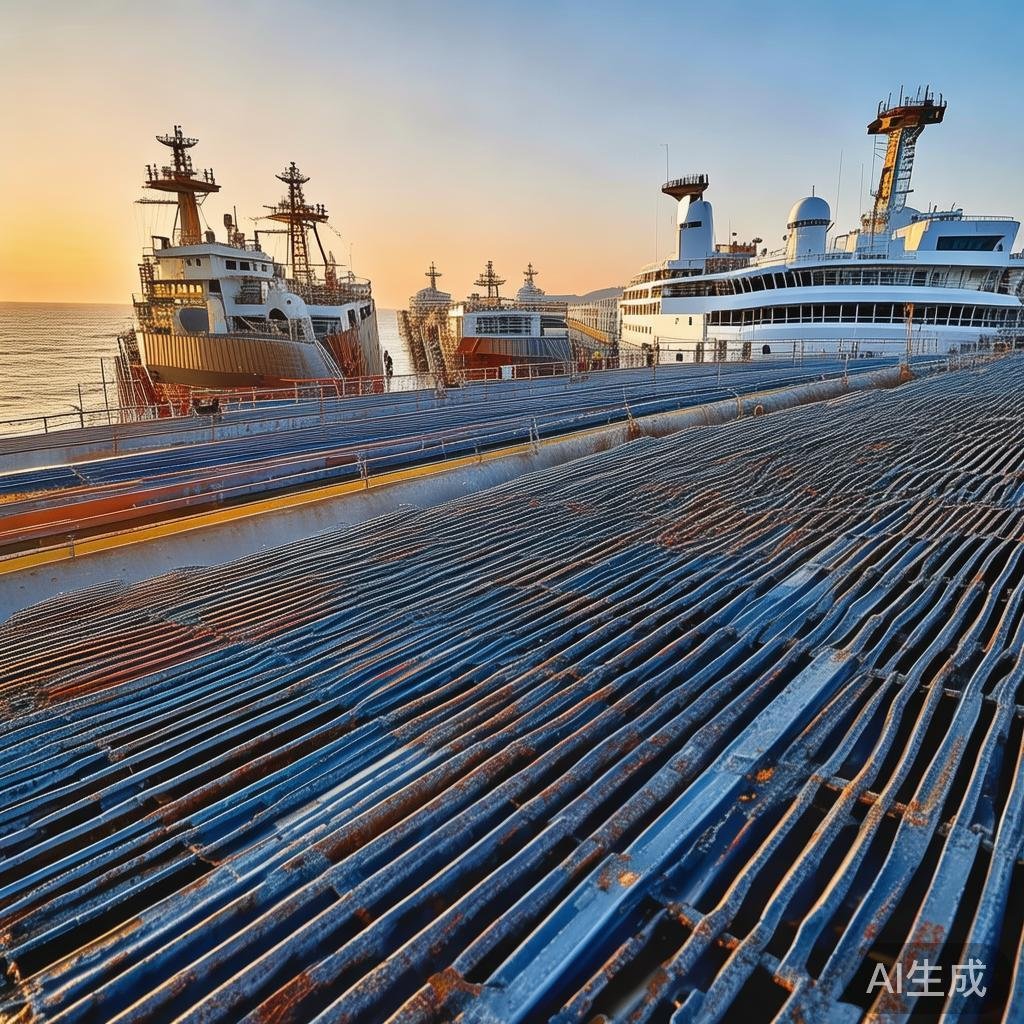
Ship decks are exposed to extreme conditions, including saltwater, humidity, and heavy loads. Steel grating is highly resistant to corrosion and wear, ensuring long-lasting performance. Its durability reduces the need for frequent repairs and maintenance, saving time and money in the long run.
2. Safety
Steel grating provides a non-slip surface, reducing the risk of slips and falls on ship decks. This is particularly important in wet or slippery conditions, where safety is a top priority. Additionally, the open grid design allows for the easy drainage of water, further enhancing safety.
3. Weight Efficiency
Despite its strength, steel grating is relatively lightweight compared to other materials. This makes it easier to install and handle, reducing the need for heavy machinery. The lightweight nature of steel grating also minimizes the additional load on the ship’s structure, ensuring stability and safety.
4. Cost-Effectiveness
Steel grating is a cost-effective solution for ship deck construction. Its low installation costs and long lifespan make it a budget-friendly option. Additionally, the ability to reuse and recycle steel grating further reduces overall costs, making it an environmentally sustainable choice.
5. Customizable
Steel grating can be customized to meet specific requirements, including size, thickness, and bar spacing. This flexibility allows maritime professionals to design decks that perfectly fit their needs, whether for cargo ships, passenger liners, or offshore platforms.
Applications of Steel Grating in Ship Decks
Steel grating is used in a wide range of applications on ship decks, each serving a unique purpose. Here are some of the most common uses:
1. Walkways and Platforms
One of the primary uses of steel grating is for walkways and platforms on ship decks. It provides a stable and safe surface for crew members to move
 Portuguese
  English
  German
  French
  Japanese
  Russian
  Italian
  Spanish
  Arabic
  Korean