
Summary: Interlocking steel grating systems are a durable and versatile solution for a wide range of industrial and commercial applications. This article explores the benefits, installation process, and common uses of interlocking steel grating, providing a comprehensive guide for professionals and DIY enthusiasts alike.
Interlocking steel grating systems have become a go-to solution for a variety of applications, from industrial flooring to pedestrian walkways. Their durability, versatility, and ease of installation make them a popular choice among contractors, engineers, and homeowners. In this comprehensive guide, we’ll dive deep into what interlocking steel grating is, how it works, and why it’s the best option for your next project.
What Is Interlocking Steel Grating?
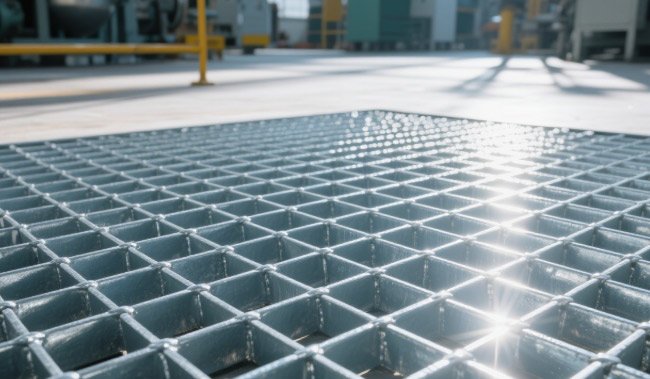
Interlocking steel grating is a type of flooring system made from steel bars that are welded together at their intersections. The “interlocking” aspect refers to the way the bars connect, creating a strong, stable, and seamless surface. This system is designed to provide a high level of durability while remaining lightweight and easy to install.
The grating is typically made from carbon steel or stainless steel, with the bars forming a grid pattern. The spacing between the bars can vary depending on the application, but common configurations include 1-inch, 1.5-inch, and 2-inch on center. The interlocking design ensures that the grating remains flat and stable, even under heavy loads.
Benefits of Using Interlocking Steel Grating
1. Durability
One of the primary advantages of interlocking steel grating is its exceptional durability. The welded construction ensures that the grating can withstand heavy foot traffic, vehicle loads, and harsh environmental conditions. Whether you’re using it for a parking lot, a bridge, or a industrial facility, interlocking steel grating can handle the wear and tear.
2. Lightweight
Despite its strength, interlocking steel grating is surprisingly lightweight. This makes it easy to transport and install, reducing the need for heavy machinery and specialized equipment. The lightweight nature also means that it puts less stress on underlying structures, making it ideal for use on delicate surfaces.
3. Easy Installation
Another significant benefit is the ease of installation. Interlocking steel grating can be quickly assembled without the need for specialized tools. The interlocking design allows the grating to be laid out in a grid pattern, with each section locking into place with the next. This not only speeds up the installation process but also ensures a uniform and stable surface.
4. Cost-Effective
Interlocking steel grating is a cost-effective solution for a variety of applications. Its durability means that it requires minimal maintenance, reducing long-term costs. Additionally, the ease of installation can save on labor expenses, making it a budget-friendly option for both large-scale and small-scale projects.
5. Versatility
The versatility of interlocking steel grating is another key advantage. It can be used in a wide range of applications, including industrial flooring, pedestrian walkways, stormwater drainage, and even as a temporary walkway for construction sites. Its adaptability makes it a valuable asset for any project.
How Does Interlocking Steel Grating Work?
The interlocking design of steel grating is what sets it apart from other flooring systems. Each bar in the grating is individually manufactured and then welded at the intersections to create a strong, stable structure. The bars are typically made from carbon steel, but stainless steel is also an option for applications that require corrosion resistance.
The welding process ensures that the grating remains rigid and does not shift or buckle under load. This is particularly important for applications that require a flat and level surface, such as pedestrian walkways or parking lots. The interlocking design also allows the grating to be customized to fit specific dimensions, making it a flexible solution for various projects.
Installation Process
Installing interlocking steel grating is straightforward and can be done with minimal tools. Here’s a step-by-step guide to help you through the process:
- Prepare the Subgrade: Ensure that the area where the grating will be installed is level and compacted. Any unevenness or soft spots can cause the grating to become unstable.
- Lay the Grating Sections: Place the grating sections on the subgrade, ensuring that they are aligned properly. The interlocking design
以上文章内容为AI辅助生成,仅供参考,需辨别文章内容信息真实有效
 Russian
  English
  German
  French
  Portuguese
  Japanese
  Italian
  Spanish
  Arabic
  Korean