
Maintaining the integrity of steel grating in industrial and commercial settings is crucial for safety and functionality. This article explores the importance of steel grating repair and patching services, detailing common issues, repair methods, and the benefits of professional maintenance. From preventing hazards to extending the lifespan of the grating, understanding these services can help facility managers ensure a secure and efficient environment.
Steel grating is a versatile and durable material widely used in industrial, commercial, and even residential applications. From walkways and platforms to industrial floors and railings, steel grating provides a sturdy and reliable surface. However, like any material, it can wear down over time due to heavy use, environmental factors, and accidents. This is where steel grating repair and patching services come into play. In this article, we’ll delve into the importance of these services, common issues faced with steel grating, various repair methods, and the benefits of hiring professionals.
Why Is Steel Grating Repair Important?
Steel grating is designed to withstand significant stress and wear, but even it can develop issues over time. Neglecting these issues can lead to safety hazards, such as trips and falls, and can also compromise the structural integrity of the grating. Here are some reasons why timely repair and patching are essential:
- Safety: Damaged grating can pose serious safety risks. Loose or missing bars, cracks, and rust can lead to accidents, causing injuries or even fatalities.
- Durability: Prompt repairs can prevent minor issues from escalating into major problems, extending the lifespan of the grating.
- Cost-Effectiveness: Addressing small issues early can save money compared to extensive repairs or replacements later on.
- Compliance: Many industries have strict safety regulations that require regular maintenance and repair of grating surfaces.
Common Issues with Steel Grating
Understanding the common problems that affect steel grating can help in identifying when repairs are needed. Here are some of the most frequent issues:
1. Corrosion
Corrosion is one of the most significant threats to steel grating. Exposure to moisture, chemicals, and salt can cause rust and weaken the grating. This can lead to flaking, pitting, and even structural failure if left unaddressed.
2. Wear and Tear
Heavy foot traffic, vehicles, and machinery can cause significant wear on steel grating. Over time, this can result in bar displacement, broken holes, and weakened joints.
3. Impact Damage
Falls, dropped objects, and heavy impacts can cause cracks, broken bars, and displaced panels. These issues not only pose safety risks but can also lead to further damage if not repaired promptly.
4. Chemical Damage
Exposure to harsh chemicals can deteriorate the surface of the grating, making it slippery and weak. This is particularly common in industrial settings where chemicals are frequently used.
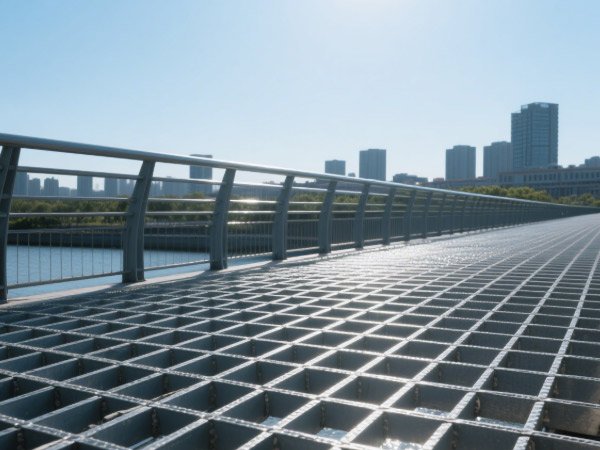
5. Environmental Factors
Exposure to extreme temperatures, UV radiation, and moisture can cause the grating to expand, contract, and weaken over time. This can lead to cracks, gaps, and other forms of damage.
Methods for Steel Grating Repair
There are several methods available for repairing damaged steel grating. The choice of method depends on the type and extent of the damage. Here are some common repair techniques:
1. Welding
Welding is one of the most common methods for repairing broken or displaced bars. This method is effective for fixing minor damage and can be done on-site, making it a convenient option for many facilities.
2. Bolting
Bolting is another popular repair method, particularly for larger or more extensive damage. This involves bolting new bars or panels into place to replace the damaged sections. Bolting is often preferred in environments where welding may be hazardous or impractical.
3. Cutting and Replacing
For significant damage, such as broken holes or large sections of rusted grating, cutting out the damaged area and replacing it with new panels may be necessary. This method ensures a seamless and durable repair.
 Japanese
  English
  German
  French
  Portuguese
  Russian
  Italian
  Spanish
  Arabic
  Korean