
Steel grating is a versatile and durable material widely used in industrial, commercial, and architectural applications. Its anti-aging properties ensure that it remains unchanged after long-term use, making it a reliable choice for various environments.
Steel grating is manufactured through a process that involves welding or locking steel bars together to form a grid pattern. This structure provides excellent strength and stability while allowing light, air, and liquids to pass through. The material’s resistance to aging is attributed to its inherent properties and protective treatments applied during production.
One key factor contributing to the anti-aging nature of steel grating is its resistance to corrosion. High-quality steel grating is often coated with protective layers such as galvanization or specialized paints. These coatings create a barrier against moisture, chemicals, and environmental elements that cause deterioration. As a result, the grating maintains its structural integrity even after years of exposure to harsh conditions.
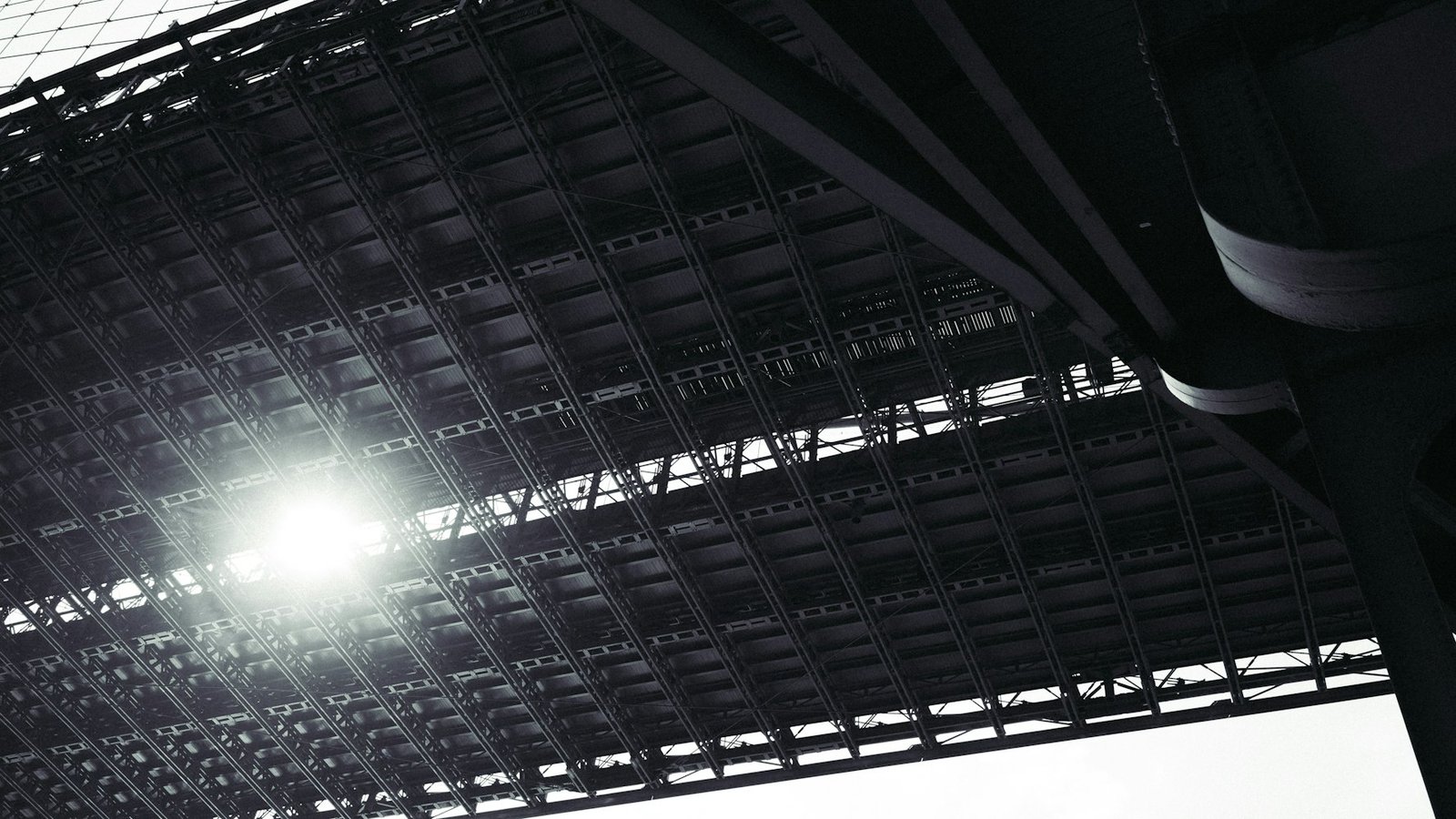
In addition to corrosion resistance, steel grating exhibits remarkable durability against physical wear and tear. Its robust construction allows it to withstand heavy loads, impacts, and constant foot traffic without deforming or weakening. This makes it ideal for applications like walkways, platforms, and flooring in factories, warehouses, and public spaces.
The longevity of steel grating is further enhanced by its low maintenance requirements. Unlike other materials that may need frequent repairs or replacements, steel grating remains functional and aesthetically pleasing with minimal upkeep. Routine cleaning and occasional inspections are usually sufficient to ensure its continued performance.
Another advantage of steel grating is its adaptability to extreme temperatures. It does not warp, crack, or become brittle in hot or cold environments. This thermal stability ensures consistent performance in diverse climates, from freezing winters to scorching summers.
Environmental factors such as UV exposure, humidity, and pollution can accelerate the aging process in many materials. However, steel grating’s protective coatings and material composition mitigate these effects. Even after prolonged exposure, it retains its original shape, strength, and appearance.
The sustainability of steel grating also contributes to its long-term value. It is often made from recycled materials and is fully recyclable at the end of its life cycle. This reduces waste and environmental impact while providing a durable solution for decades.
In summary, steel grating’s anti-aging properties make it a cost-effective and reliable choice for long-term applications. Its resistance to corrosion, physical stress, and environmental factors ensures that it remains unchanged and functional over time. This durability, combined with low maintenance and sustainability, positions steel grating as a superior material for demanding environments.
 Korean
  English
  German
  French
  Portuguese
  Japanese
  Russian
  Italian
  Spanish
  Arabic