
Sintered steel grating, a revolutionary material in the construction and industrial sectors, offers unparalleled durability and efficiency. This article explores the diverse applications of sintered steel grating, highlighting its benefits in various industries such as infrastructure, transportation, and chemical processing. Discover how this innovative material is transforming traditional construction methods and enhancing safety and performance.
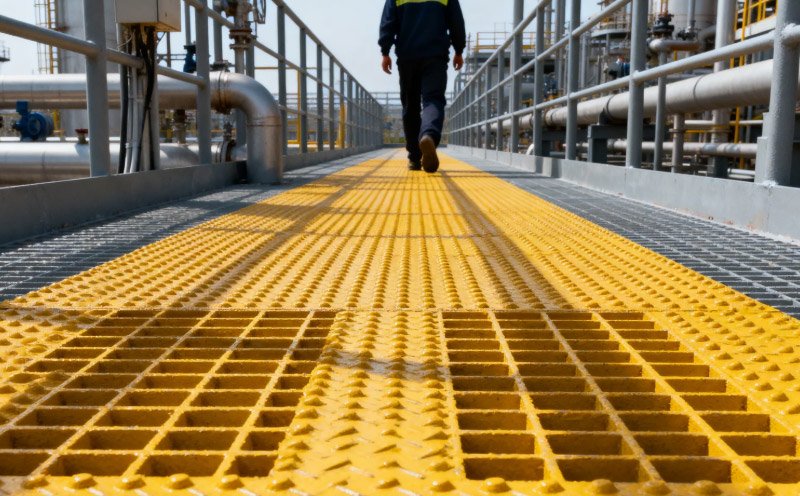
Sintered steel grating has emerged as a game-changer in the world of construction and industrial applications. This innovative material combines the strength of steel with the versatility of grating, offering a solution that is both durable and efficient. As industries continue to seek sustainable and high-performance materials, sintered steel grating stands out for its unique properties and wide range of applications. In this article, we’ll delve into the various uses of sintered steel grating and explore how it is revolutionizing multiple sectors.
What is Sintered Steel Grating?
Sintered steel grating is a type of metallic grating made by sintering fine steel particles together under high pressure and temperature. This process creates a solid, uniform structure that is both strong and lightweight. Unlike traditional welded or bar-pressed grating, sintered steel grating offers superior load-bearing capacity, corrosion resistance, and fatigue strength. These properties make it an ideal choice for a variety of challenging environments.
Applications in Infrastructure
One of the most significant applications of sintered steel grating is in infrastructure projects. Its high strength and durability make it perfect for use in bridges, walkways, and pedestrian platforms. Unlike conventional grating, sintered steel grating does not rust or corrode, which extends its lifespan and reduces maintenance costs. This makes it an excellent choice for public spaces that require long-term durability.
In addition to bridges and walkways, sintered steel grating is also used in roofing and flooring applications. Its lightweight nature allows it to be installed with minimal structural support, saving on material and labor costs. The uniform surface of the grating provides a safe and slip-resistant walking surface, making it ideal for high-traffic areas.
Transportation Sector
The transportation sector benefits significantly from sintered steel grating due to its high load-bearing capacity and resistance to wear and tear. Railway platforms, taxiway barriers, and airport runways are just a few examples of how this material is transforming the industry. Sintered steel grating can withstand heavy loads and extreme weather conditions, ensuring safety and reliability for travelers and transportation systems.
Another advantage of using sintered steel grating in transportation is its ability to reduce noise pollution. The material’s surface can be designed to absorb vibrations, making it quieter than traditional grating options. This is particularly beneficial for busy railway stations and airports where noise reduction is a priority.
Chemical and Industrial Processing
In the chemical and industrial sectors, sintered steel grating is used for a variety of applications due to its corrosion resistance and chemical stability. It is ideal for use in chemical plants, refineries, and wastewater treatment facilities where exposure to harsh chemicals is common. The material’s ability to withstand extreme temperatures and corrosive substances makes it a reliable choice for these demanding environments.
Additionally, sintered steel grating is used in industrial flooring to provide a safe and non-slip surface for heavy machinery and equipment. Its strength and durability ensure that it can withstand the weight and movement of industrial equipment without bending or breaking. This not only enhances safety but also extends the lifespan of the flooring, reducing maintenance costs.
Environmental Benefits
One of the most significant advantages of sintered steel grating is its environmental benefits. Unlike traditional materials such as wood or concrete, sintered steel grating is recyclable and does not contribute to deforestation. Its production process is also more energy-efficient, reducing the carbon footprint associated with its creation. As industries continue to prioritize sustainability, sintered steel grating is becoming an increasingly popular choice.
Cost-Effectiveness
Despite its high performance, sintered steel grating is surprisingly cost-effective. Its long lifespan and low maintenance requirements mean that
以上文章内容为AI辅助生成,仅供参考,需辨别文章内容信息真实有效
 Korean
  English
  German
  French
  Portuguese
  Japanese
  Russian
  Italian
  Spanish
  Arabic