
Enhancing the longevity and performance of steel grating in various industrial applications is crucial, and the right coatings play a pivotal role. This article delves into the importance of steel grating coatings for durability, exploring different types of coatings, their benefits, and how to choose the right one for your specific needs. Whether you’re in construction, manufacturing, or maintenance, understanding these coatings can significantly extend the life of your steel grating infrastructure.
Steel grating is a versatile and widely used material in numerous industries, from construction and manufacturing to transportation and chemical processing. Its strength, durability, and cost-effectiveness make it an ideal choice for a variety of applications. However, to ensure that steel grating remains in top condition and performs optimally over time, proper coatings are essential. In this article, we’ll explore the importance of steel grating coatings for durability, the different types of coatings available, their benefits, and how to choose the right one for your specific needs.
Why Are Coatings Important for Steel Grating?
Steel grating is exposed to a multitude of environmental factors that can lead to corrosion, rust, and degradation if not properly protected. Coatings act as a barrier between the steel and these corrosive elements, significantly extending the life of the grating and maintaining its structural integrity. Here are some key reasons why coatings are crucial:
- Corrosion Prevention: Coatings protect the steel from moisture, chemicals, and other corrosive substances that can cause rust and weaken the grating.
- Enhanced Durability: Proper coatings can increase the lifespan of steel grating, reducing the need for frequent repairs and replacements.
- Aesthetic Appeal: Coatings can improve the appearance of steel grating, giving it a uniform and professional look.
- Slip Resistance: Certain coatings can enhance slip resistance, making the grating safer for pedestrian traffic.
Types of Coatings for Steel Grating
There are several types of coatings available for steel grating, each with its own unique properties and benefits. Understanding these options can help you choose the best coating for your specific application.
1. Hot-Dip Galvanizing (HDG)
Hot-dip galvanizing is one of the most popular coatings for steel grating. It involves dipping the grating into molten zinc, which creates a durable and corrosion-resistant layer. HDG coatings are known for their longevity and can last for decades in harsh environments.
The benefits of HDG include:
- High corrosion resistance
- Excellent durability
- Cost-effective
- Can be applied to a wide range of steel grating types
2. Pre-Galvanizing
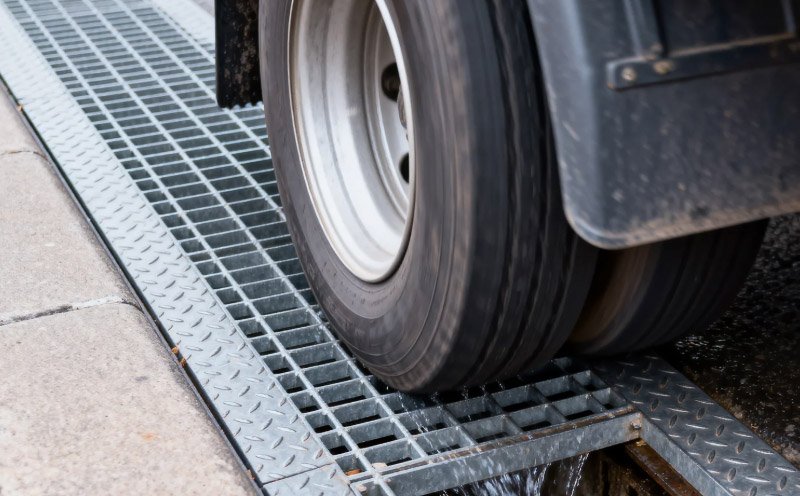
Pre-galvanizing is another common coating method where the steel grating is galvanized before it is manufactured. This process ensures that the grating is fully coated, providing uniform protection.
Advantages of pre-galvanizing include:
- Consistent coating quality
- Reduced risk of coating damage during manufacturing
- Longer lifespan
3. Epoxy Coatings
Epoxy coatings are known for their excellent adhesion and resistance to chemicals, making them ideal for industrial applications where the grating is exposed to harsh chemicals and corrosive substances.
Key benefits of epoxy coatings:
- Strong adhesion to steel
- High chemical resistance
- Excellent durability
- Can be applied over existing coatings
4. Polyurethane Coatings
Polyurethane coatings offer a combination of durability and flexibility, making them suitable for a wide range of applications. They provide excellent protection against corrosion and can enhance the aesthetic appeal of the grating.
Benefits of polyurethane coatings:
- Excelente resistência à corrosão
- Good flexibility
- Enhanced aesthetic appeal
- Can be applied in various colors
 Portuguese
  English
  German
  French
  Japanese
  Russian
  Italian
  Spanish
  Arabic
  Korean