
Enhancing the Safety and Aesthetics of Stadium Stands with Steel Grating – Discover the benefits of using steel grating for stadium stands, including durability, safety features, and cost-effectiveness. This article explores how steel grating can revolutionize stadium architecture and improve fan experience.
Stadiums are the heart of sports and entertainment, where millions gather to cheer for their favorite teams and performers. Behind the excitement, safety, and comfort of the fans, there’s a crucial element that often goes unnoticed: the stadium stands. Steel grating has emerged as a game-changer in stadium construction, offering a blend of durability, safety, and cost-effectiveness. In this article, we’ll dive deep into how steel grating is revolutionizing stadium stands and enhancing the overall fan experience.
What is Steel Grating?
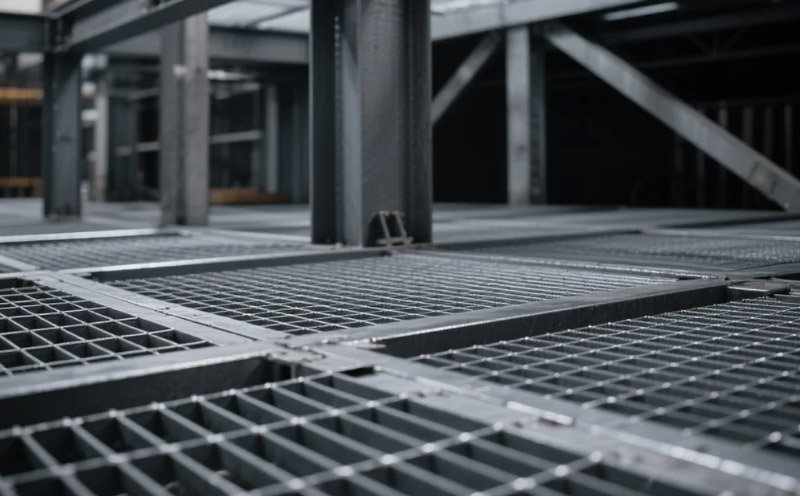
Steel grating is a type of metal framework made from steel bars that are spaced at regular intervals and woven together to form a grid-like structure. It’s commonly used in various industries for its strength, durability, and versatility. In the context of stadium stands, steel grating serves as a robust and efficient solution for walkways, platforms, and safety barriers.
There are several types of steel grating, including rolled steel grating (RSG), expanded metal grating, and bar grating. Each type has its unique properties, but they all share the common benefits of being lightweight, corrosion-resistant, and easy to install.
Why Choose Steel Grating for Stadium Stands?
Stadiums are high-traffic areas that require materials that can withstand heavy loads and constant use. Steel grating meets these requirements admirably, offering several advantages over traditional materials like concrete or wood.
1. Durability
Steel grating is renowned for its exceptional strength and durability. It can withstand the weight of thousands of people walking on it simultaneously, making it an ideal choice for stadium stands. Additionally, steel is resistant to corrosion and weathering, ensuring that the grating remains in top condition for years to come.
2. Safety
Safety is paramount in stadium construction, and steel grating plays a vital role in ensuring the well-being of fans. The open grid design of steel grating allows for easy drainage, preventing slips and falls. It also provides a non-slip surface, even when wet, reducing the risk of accidents.
Moreover, steel grating can be designed with safety features like anti-slip coatings and guardrails, further enhancing the safety of stadium stands. These features not only protect fans but also comply with safety regulations and standards set by sports authorities.
3. Cost-Effectiveness
Despite its high performance, steel grating is a cost-effective solution for stadium stands. Compared to other materials, it offers a lower initial cost and requires minimal maintenance over time. This makes it a budget-friendly option for stadium constructors and operators.
Additionally, steel grating is recyclable, making it an eco-friendly choice that aligns with sustainability goals. By opting for steel grating, stadiums can reduce their environmental footprint while enjoying long-term savings.
4. Customizable Design
One of the standout features of steel grating is its versatility in design. It can be customized to fit any size or shape, making it suitable for various stadium layouts. Whether you need a straight walkway, a curved platform, or a complex railing system, steel grating can be tailored to meet your specific requirements.
This flexibility in design not only enhances the aesthetic appeal of the stadium but also ensures that it meets the functional needs of the fans. Customized steel grating can be integrated with other stadium features, such as seating areas, concession stands, and emergency exits, creating a seamless and user-friendly environment.
Installation and Maintenance of Steel Grating
Installing steel grating in stadium stands is a straightforward process, but it requires careful planning and execution. Here are some key steps to ensure a successful installation:
- Assessment: Evaluate the specific needs of your stadium stands, including load requirements, safety features, and design preferences.
- Design: Work with a steel grating supplier to design a custom solution that meets your requirements. Consider factors like spacing, bar size, and coatings.
- Preparation: Prepare the installation area by ensuring a level and stable foundation. This may involve pouring concrete or using other base
 English
  German
  French
  Portuguese
  Japanese
  Russian
  Italian
  Spanish
  Arabic
  Korean