
Safety Precautions When Drilling Through Steel Grating
When working with steel grating, safety is paramount, especially when drilling through it. This comprehensive guide provides essential safety precautions to ensure a secure and efficient drilling process, targeting professionals and DIY enthusiasts concerned about the task. From personal protective equipment to proper drilling techniques, this article covers all you need to know to avoid accidents and achieve optimal results.
Drilling through steel grating is a common task in various industries, including construction, maintenance, and manufacturing. While it can be straightforward, it requires careful attention to safety to prevent accidents and ensure the integrity of the grating. This article outlines essential safety precautions to help you drill through steel grating safely and effectively.
Understanding Steel Grating
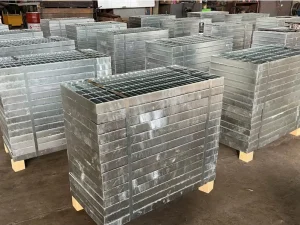
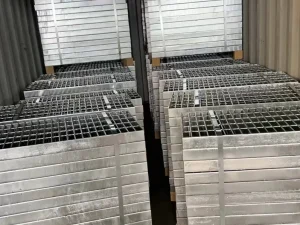
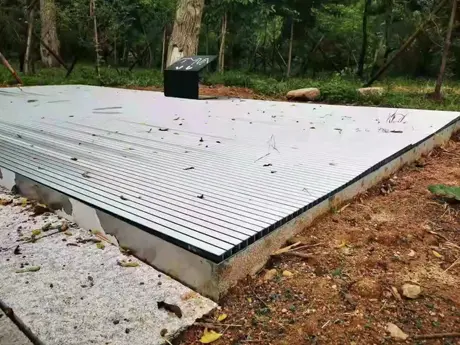
Steel grating is a popular choice for walkways, platforms, and industrial applications due to its strength, durability, and cost-effectiveness. It consists of steel bars arranged in a grid pattern, providing a stable and slip-resistant surface. However, drilling through steel grating requires special considerations to avoid damage and ensure safety.
Personal Protective Equipment (PPE)
Wearing the right personal protective equipment is crucial when drilling through steel grating. Here are the essential items you should have:
- Safety Glasses: Protect your eyes from flying debris.
- Hard Hat: Shield your head from falling objects or accidental impacts.
- Ear Protection: Reduce noise exposure from the drilling machine.
- Respirator: Prevent inhalation of dust and particles.
- Work Gloves: Protect your hands from sharp edges and tools.
- High-Visibility Vest: Ensure you are visible on construction sites.
Pre-Drilling Preparation
Proper preparation is key to a safe and successful drilling operation. Follow these steps:
- Assess the Area: Ensure the steel grating is stable and free from any loose components. Clear the area of any obstacles or debris.
- Mark the Drilling Spot: Use a marker or chalk to clearly indicate where you will drill. This helps maintain precision and avoids accidental drilling in the wrong location.
- Secure the Grating: If possible, secure the grating to a solid surface or use clamps to prevent movement during drilling.
- Check the Drill Bit: Use a drill bit suitable for steel. A carbide-tipped drill bit is recommended for optimal performance and durability.
Drilling Techniques
Using the correct drilling techniques is essential to ensure a clean and safe drilling process. Here’s how to do it:
- Start Slowly: Begin drilling at a slow speed to create a guide hole. Gradually increase the speed as the drill bit cuts into the steel.
- Use a Drill Press: A drill press provides more control and stability compared to a handheld drill. If possible, use a drill press for larger holes.
- Apply Even Pressure: Apply steady and even pressure to avoid overheating the drill bit or damaging the grating.
- Cool the Drill Bit: Regularly cool the drill bit with water or a cooling fluid to prevent overheating and extend its lifespan.
- Back Off Periodically: Periodically pull the drill bit out to clear debris and assess the hole. This prevents clogging and ensures a clean hole.
Post-Drilling Safety
After drilling, it’s important to take additional safety measures:
- Remove Debris: Clear any metal shavings or debris from the hole and the surrounding area.
- Inspect the Grating: Check the drilled area for any signs of damage or instability. Reinforce if necessary.
- Dispose of Waste Properly: Dispose of any metal shavings or scrap material according to local regulations.
Common Mistakes to Avoid
Making certain mistakes can compromise safety and the integrity of the steel grating. Avoid the following:
- Using the Wrong Drill Bit: Always use a drill bit designed for steel to prevent damage and ensure efficiency.
- Drilling Too Quickly: Rush