
When it comes to installing steel grating stair treads, proper planning and execution are crucial for safety and durability. This comprehensive guide covers everything from selecting the right materials to ensuring a secure installation, helping you achieve a professional and reliable stair system. Whether you’re a DIY enthusiast or a professional contractor, this article provides valuable insights and practical tips for a successful project.
Steel grating stair treads are a popular choice for industrial, commercial, and even residential applications due to their durability, strength, and cost-effectiveness. If you’re planning to install steel grating stair treads, it’s essential to follow the right steps to ensure a safe and long-lasting structure. This guide will walk you through the process, from planning and material selection to installation and maintenance.
Understanding Steel Grating Stair Treads
Steel grating is a type of metal framework made from a series of parallel bars or ribs, typically formed by weaving steel rods or pressing steel sheets. It’s commonly used for stair treads because it offers excellent load-bearing capacity, slip resistance, and corrosion resistance. There are several types of steel grating, including roll-formed grating, welded grating, and bar-pressed grating, each with its own advantages and use cases.
Key Features of Steel Grating Stair Treads
- High Strength: Steel grating can support heavy loads, making it ideal for industrial and commercial settings.
- Slip Resistance: The open-grid design provides good traction, reducing the risk of slips and falls.
- Cost-Effective: Steel grating is generally more affordable than other materials like concrete or wood.
- Corrosion Resistance: Many steel grating options come with coatings to protect against rust and corrosion.
- Easy to Install: With the right tools and instructions, steel grating stair treads can be installed relatively easily.
Planning Your Steel Grating Stair Treads Installation
Before you start installing steel grating stair treads, it’s crucial to plan the project thoroughly. This includes determining the size and shape of the stairs, selecting the appropriate type of steel grating, and ensuring compliance with local building codes and safety regulations.
Measuring and Designing the Stairs
Start by measuring the area where the stairs will be installed. Consider factors such as the height of the stairs, the width of each tread, and the overall length of the staircase. You may need to create a detailed sketch or use stair design software to ensure the dimensions are accurate.
Choosing the Right Type of Steel Grating
There are several types of steel grating to choose from, each with its own strengths and weaknesses:
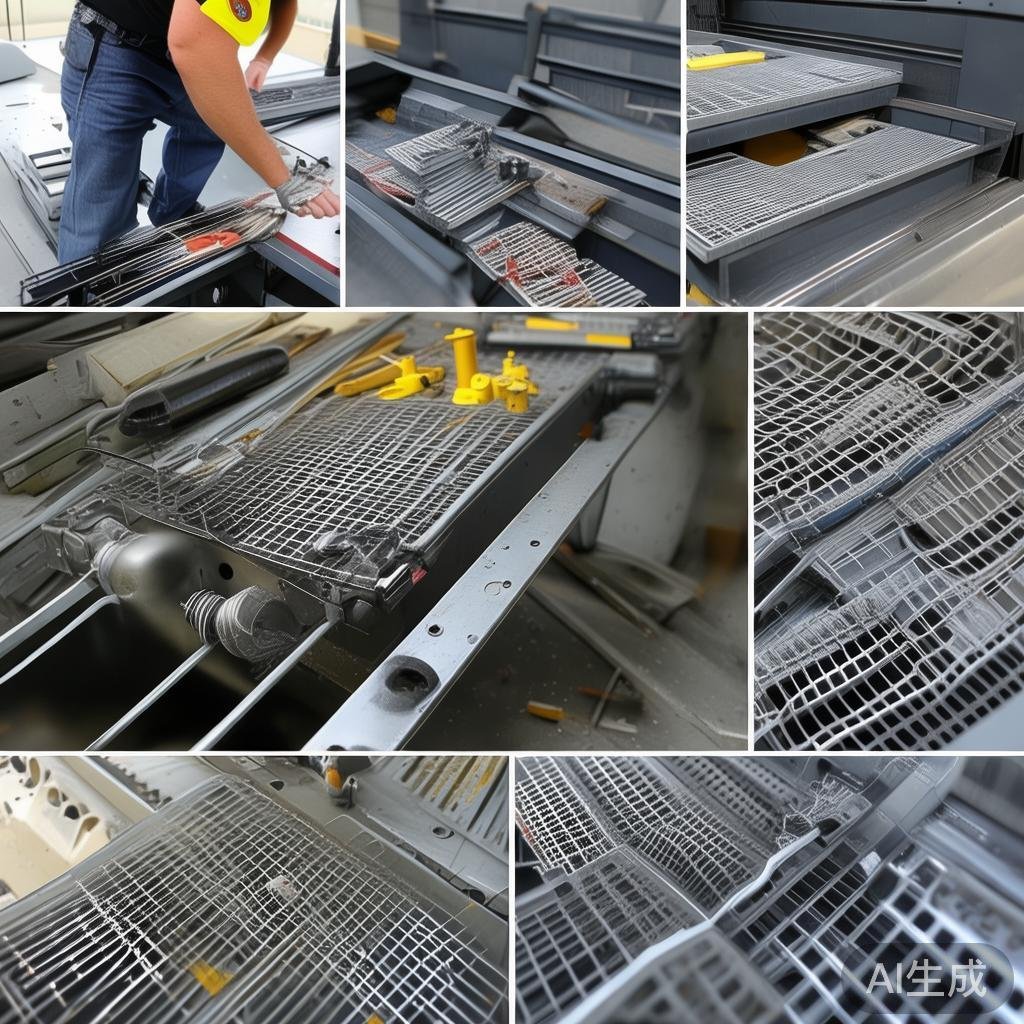
- Roll-formed grating: Made by rolling steel sheets into a grid pattern, this type of grating is lightweight and cost-effective.
- Welded grating: This grating is created by welding steel bars together, offering higher strength and rigidity.
- Bar-pressed grating: Made by pressing steel bars into a grid pattern, this type of grating provides a more uniform and aesthetically pleasing finish.
Ensuring Compliance with Building Codes
Always check local building codes and safety regulations before starting your project. This ensures that your steel grating stair treads meet the necessary standards for safety and durability.
Materials and Tools Needed for Installation
Once you’ve planned your project, gather all the necessary materials and tools. Here’s a list of essentials:
- Steel grating panels
- Stair stringers
- Stair risers
- Fasteners (bolts, screws, or welds)
- Level
- Tape measure
- Saw (for cutting grating panels)
- Drill
- Wrench or ratchet
- Grout or sealant
Step-by-Step Installation Process
Now that you have everything you need, let’s dive into the installation process.
 English
  German
  French
  Portuguese
  Japanese
  Russian
  Italian
  Spanish
  Arabic
  Korean