
When it comes to constructing staircases that are both functional and durable, steel grating stair treads are a top choice for many professionals. This article delves into the benefits, types, and applications of steel grating stair treads, providing you with the essential knowledge to make an informed decision for your next project.
Staircases are a crucial element in any building, whether it’s a residential home, commercial office, or industrial facility. Ensuring safety, durability, and efficiency is paramount when designing staircases. One of the most reliable and versatile solutions for stair treads is steel grating. In this comprehensive guide, we’ll explore everything you need to know about steel grating stair treads, from their benefits to their various applications.
What Are Steel Grating Stair Treads?
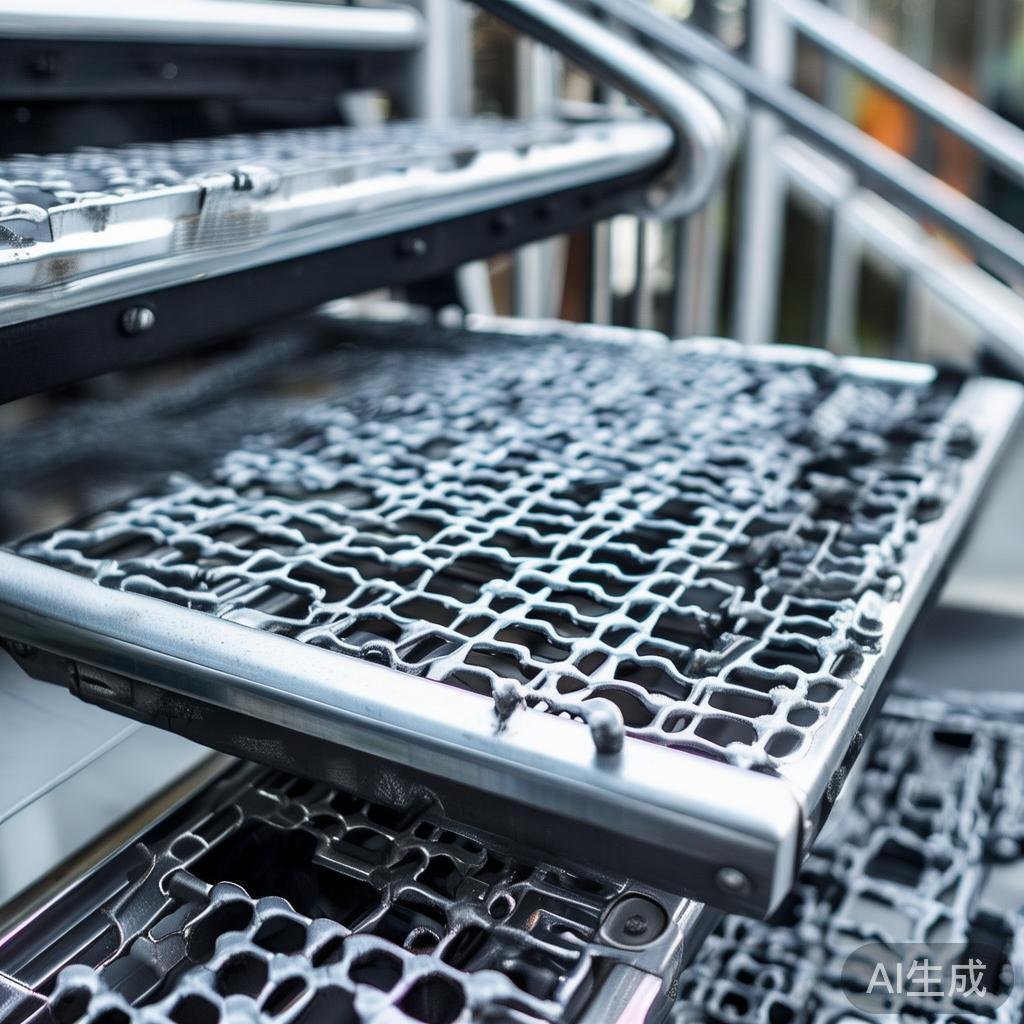
Steel grating stair treads are flat, load-bearing platforms made from a grid-like pattern of steel bars. This structure provides excellent strength and durability while allowing for proper drainage and ventilation. The most common type of steel grating used for stair treads is bar grating, which consists of parallel bars woven or welded together to form a solid surface.
There are two primary methods of manufacturing steel grating: welded and fabricated. Welded steel grating is created by welding the bars at their intersections, resulting in a seamless and robust structure. Fabricated steel grating, on the other hand, involves bolting the bars together, which can be more flexible but less durable.
Benefits of Using Steel Grating Stair Treads
There are numerous advantages to choosing steel grating for stair treads. Let’s take a closer look at some of the key benefits.
1. High Strength and Durability
Steel grating is renowned for its exceptional strength and durability. It can withstand heavy loads and harsh environmental conditions, making it an ideal choice for industrial, commercial, and even residential applications. The grid-like structure distributes weight evenly, preventing sagging and ensuring long-term stability.
2. Safety Features
Safety is a top priority when it comes to staircases. Steel grating stair treads offer several safety features, including a non-slip surface and open grating that prevents trip hazards. Additionally, the open design allows for easy cleaning and maintenance, reducing the risk of slip accidents.
3. Cost-Effective
Despite its high performance, steel grating is surprisingly cost-effective. It is more affordable compared to other materials like concrete or wood, without compromising on quality and durability. This makes it a budget-friendly option for a wide range of applications.
4. Lightweight
Despite its strength, steel grating is relatively lightweight, which makes it easier to transport and install. This can significantly reduce labor costs and project timelines, making it a practical choice for construction projects.
5. Customizable
Steel grating stair treads can be customized to meet specific project requirements. You can choose from different bar sizes, spacing, and coatings to suit your needs. This flexibility ensures that you get the perfect solution for your staircase.
Types of Steel Grating for Stair Treads
There are several types of steel grating available, each with its unique characteristics. Understanding these types will help you make the best choice for your project.
1. Welded Steel Grating
Welded steel grating is the most common type used for stair treads. It is created by welding the bars at their intersections, forming a solid and uniform surface. This type of grating is highly durable and ideal for heavy-duty applications.
2. Pressed Steel Grating
Pressed steel grating has a flatter surface compared to welded steel grating, making it more comfortable to walk on. It is often used in applications where a smooth surface is required, such as in staircases or walkways.
3. Galvanized Steel Grating
Galvanized steel grating is coated with zinc to provide additional protection against corrosion and rust. This makes it an excellent choice for outdoor applications or environments with high humidity.
4. Aluminum Alloy Grating
Aluminum alloy grating is lighter than steel grating but offers similar strength. It is a great option for applications where weight reduction is a priority, such as in aircraft or marine environments.
 English
  German
  French
  Portuguese
  Japanese
  Russian
  Italian
  Spanish
  Arabic
  Korean