
When it comes to constructing durable and efficient platforms, steel grating span tables are an essential tool. This article delves into the world of steel grating, exploring its applications, benefits, and how to use span tables effectively for optimal design. Whether you’re a construction professional or just curious about the topic, this guide will provide you with the knowledge to make informed decisions.
Steel grating is a popular choice for a wide range of applications, from industrial platforms to pedestrian walkways. Its durability, strength, and versatility make it an ideal material for various construction projects. However, one of the key factors in designing a steel grating structure is ensuring it spans correctly to support the intended load without buckling or breaking. This is where steel grating span tables come into play.
What is Steel Grating?
Steel grating is a type of metal framework made from steel bars. These bars are woven or welded together to create a grid-like structure. The most common types of steel grating include welded steel grating, bar-tyred steel grating, and press-locked steel grating. Each type has its unique characteristics and applications.
Types of Steel Grating
- Welded Steel Grating: This type is created by welding steel bars together at their intersections. It offers high strength and durability, making it suitable for heavy-duty applications.
- Bar-Tyred Steel Grating: In this type, steel bars are connected by steel tyred bars. It is lighter and more cost-effective, making it ideal for lighter applications.
- Press-Locked Steel Grating: This type features interlocking bars that are pressed together, creating a seamless and strong structure. It is often used in decorative and architectural applications.
Why Use Steel Grating Span Tables?
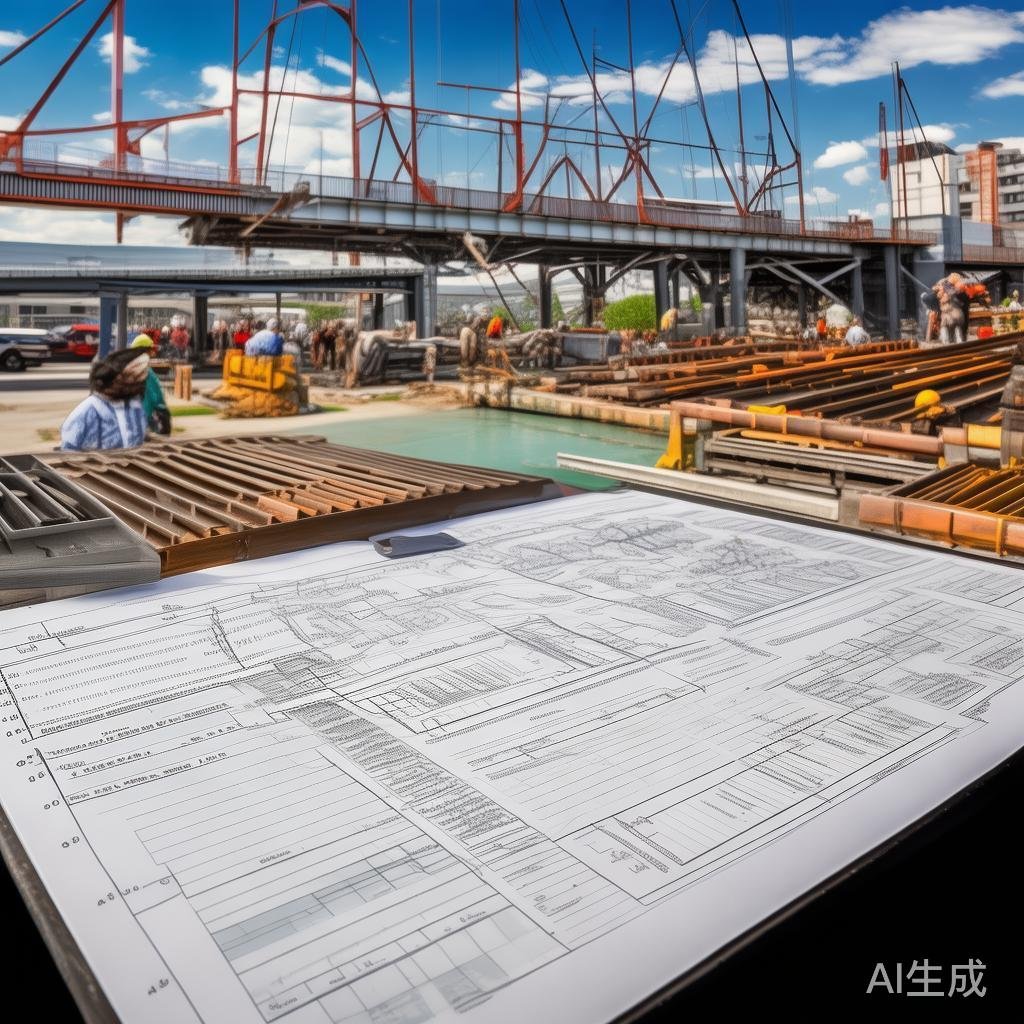
Steel grating span tables are essential tools for engineers and construction professionals. They provide critical information on how far a steel grating can safely span under specific load conditions. Using these tables ensures that the grating is designed to withstand the intended loads without failing.
Key Benefits of Using Span Tables
- Safety: Span tables help ensure that the grating can handle the intended loads, reducing the risk of accidents and structural failures.
- Cost-Effectiveness: By selecting the appropriate span for your application, you can avoid over-engineering, which can lead to unnecessary costs.
- Design Efficiency: Span tables provide quick and reliable data, allowing for faster design processes and more efficient use of materials.
How to Use Steel Grating Span Tables
Using steel grating span tables is relatively straightforward. Here’s a step-by-step guide to help you get started:
- Determine the Load: Identify the maximum load the grating will need to support. This includes both static loads (like the weight of the structure itself) and dynamic loads (like people or equipment moving across the grating).
- Choose the Grating Type: Select the appropriate type of steel grating based on your application requirements. Each type has its own span capabilities.
- Refer to the Span Table: Once you have the load and grating type, refer to the corresponding span table to find the maximum span distance. These tables are typically organized by load capacity and grating type.
- Adjust for Environmental Factors: Consider any environmental factors that might affect the grating’s performance, such as temperature changes or corrosive elements. Adjust the span accordingly.
- Consult with Experts: If you’re unsure about the calculations or need further assistance, consult with a structural engineer or a grating specialist.
Common Applications of Steel Grating
Steel grating is used in a variety of applications across different industries. Some of the most common uses include:
- Industrial Platforms: Steel grating is often used to create platforms in factories and industrial facilities. Its durability and strength make it ideal for heavy machinery and equipment.
- Pedestrian Walkways: In construction sites, ports, and airports, steel grating provides safe and stable walkways for
 English
  German
  French
  Portuguese
  Japanese
  Russian
  Italian
  Spanish
  Arabic
  Korean